Why AI Agents Fail: 3 Failure Modes That Drain Tokens and Time
AI agents don't crash with a stack trace—they silently burn your budget and patience.
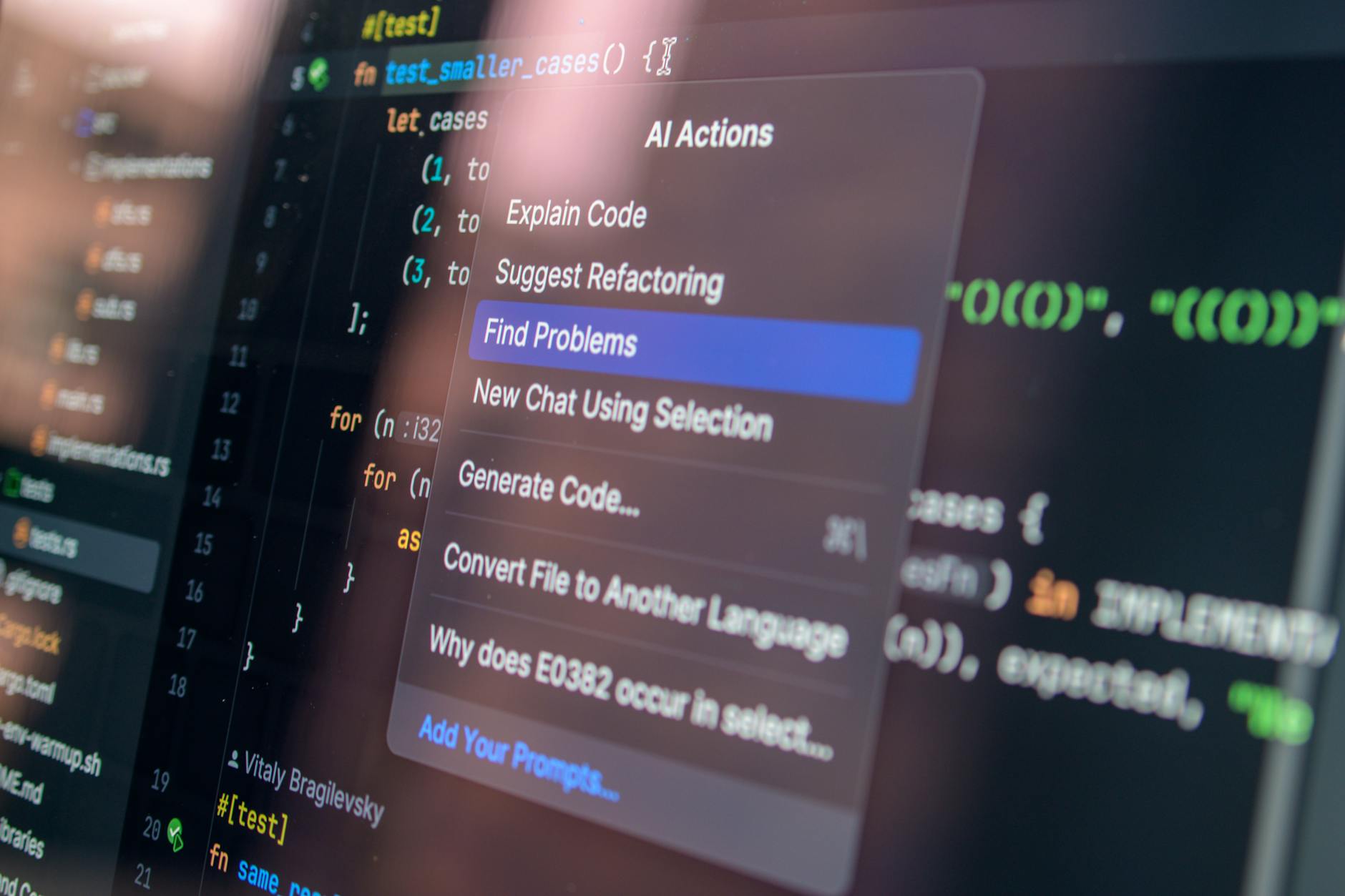
Ever launched an AI agent expecting magic, only to get silence and an empty wallet? Welcome to the club. Unlike regular software that at least has the decency to crash with an error, AI agents prefer to die quietly, leaving you wondering: "Is it me or is GPT broken?"
The article on Dev.to breaks down three classic failure modes that anyone who's tried to make an agent work will recognize. First is the feedback loop—the agent gets stuck in an infinite cycle of re-asking, like your grandma's Wi-Fi. Second is context hallucination: the agent invents API methods and insists they work. Third is token overload: instead of an answer, you get a wall of logs that requires sedatives to read.
Developers familiar with the pain of a Friday evening deploy will appreciate: these bugs don't get fixed with a simple try-except. You need to design the agent with its "human" weaknesses in mind—for example, limit recursion depth and add on-the-fly validation. The good news: patterns already exist, and they don't require sacrificing a junior dev.
Comment from METABYTE studio: We've stepped on those rakes too, until we developed a ritual involving coffee and logs. If your agents act like moody teenagers—maybe it's time for proper monitoring instead of crossing your fingers.
NEXT STEP
Liked the approach?
We apply the same principles to client projects: AI, automation, products that don't die after launch.