Vibe Coding Demystified: Just Talk to AI and It Codes for You
Vibe Coding lets you describe features in plain English and AI writes the code. Sounds like a junior dev's dream?
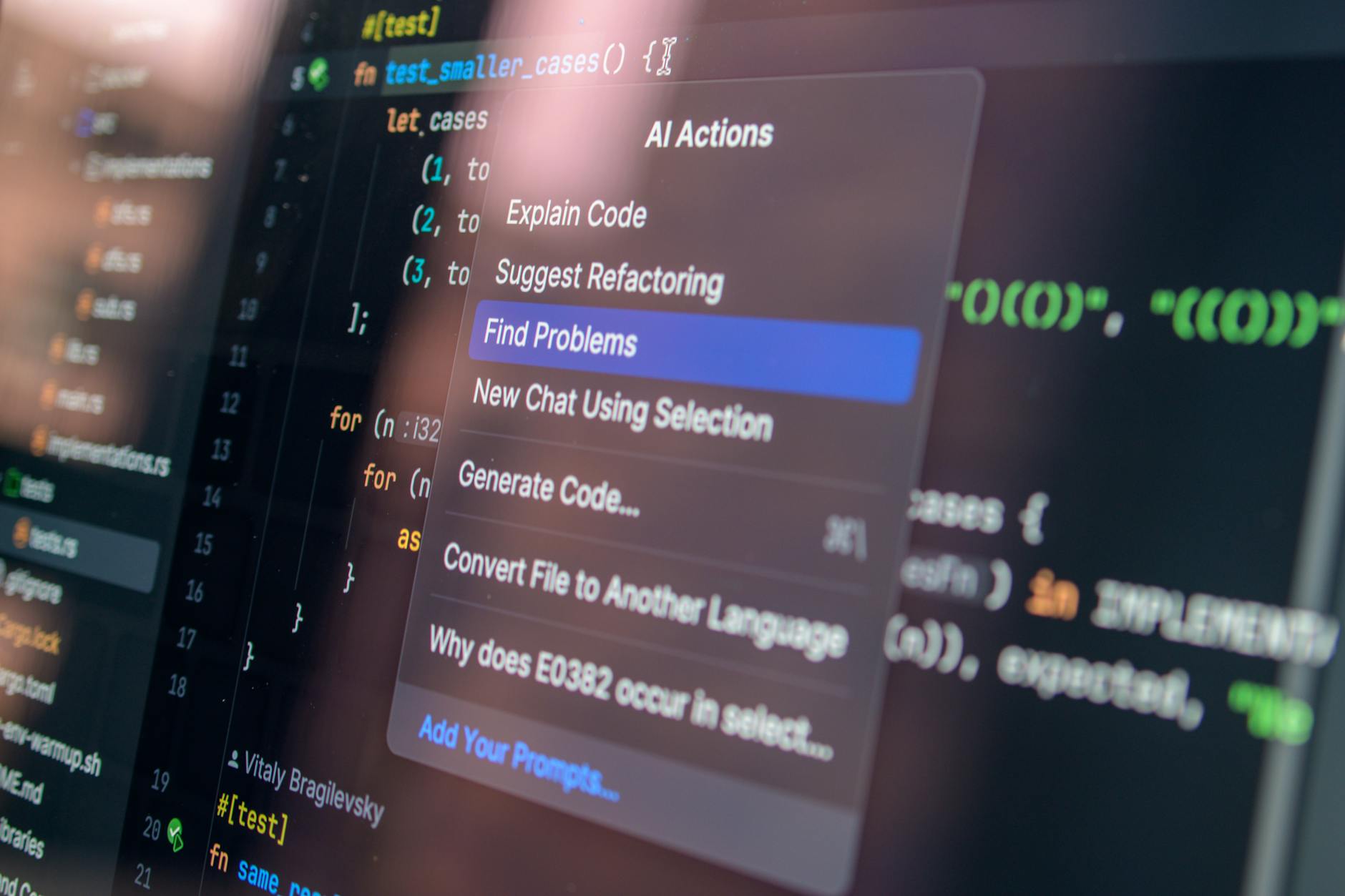
Imagine walking up to a colleague, saying "build me a REST API for a blog," and they just do it. Vibe Coding is pretty much that, except the colleague is an AI. No syntax, no TypeScript tears — you speak human, and the AI turns it into working code.
How It Actually Works
The idea is simple: describe the desired functionality in plain words, and a language model (like GPT-4 or Claude) generates the code. But as with any AI thing, the devil's in the details. "Make me a chatbot" can turn into 500 lines of spaghetti code that crashes on the first message. So Vibe Coding isn't about "forget programming" — it's a role shift: you're no longer writing code, you're directing an AI assistant like a seasoned tech lead.
What You Need to Know to Not Mess Up
- Prompt clarity — like on Tinder: the more precise you are about what you want, the higher the chance you won't be disappointed.
- Code review — AI can generate beautiful code with security holes. Trust but verify.
- Iterate — first results are rarely perfect. Be ready to refine and tweak.
The main pain for developers: Vibe Coding doesn't free you from understanding what you're doing. If you don't know how a database works, AI will write something that eats all memory in an hour. It's like giving a kid the remote to a nuclear plant — fun until it blows.
METABYTE studio comment: Vibe Coding is great for rapid prototyping, but it doesn't replace the ability to read code. Trusting AI for a final production version is like asking ChatGPT to write a suicide note for your startup. We're for balance: AI as an assistant, human as the captain.
NEXT STEP
Liked the approach?
We apply the same principles to client projects: AI, automation, products that don't die after launch.