The Tree House: How a Childhood Dream Became an IT Project (And It's Not Dumb)
When a junior builds a tree house, a senior checks branch load capacity.
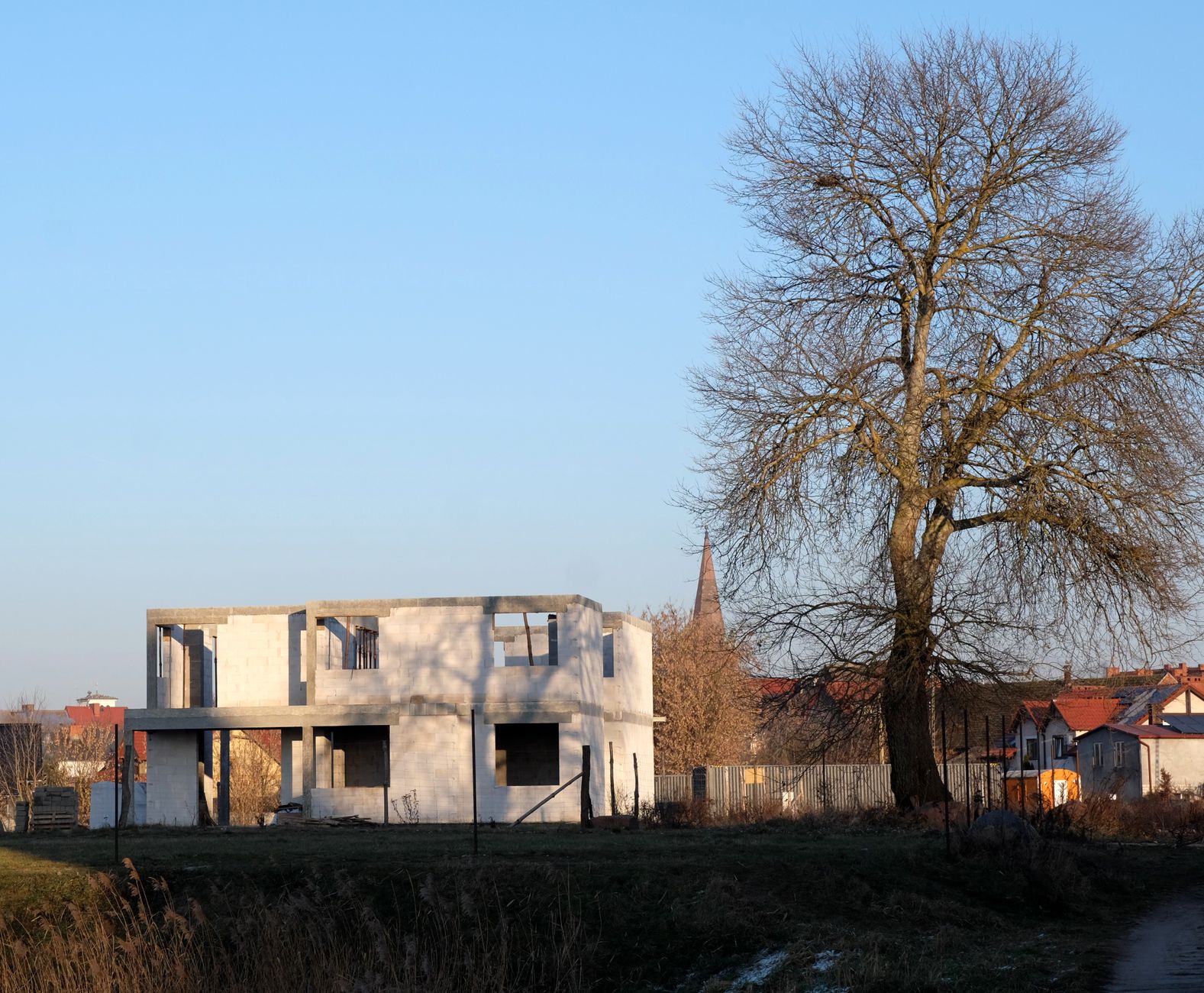
If you thought a tree house is just a couple of planks and nails, you haven't read this article. The author embarks on a voyage to the source of a backyard dream, and it feels more like a code review than construction.
From Shack to Agile Project
Turns out, building a tree house is like launching a startup: first euphoria, then realizing the budget flew on materials and deadlines are in the past. The author explores the history and cultural weight of these structures, from childhood fantasies to architectural masterpieces. And there's a lesson for every developer: proper planning, tool selection, and the ability not to fall off the branch.
What Does a Tree House Teach?
- Architecture without bloat: don't over-engineer, or the structure collapses.
- Stress testing: wind, rain, kids — like production with a thousand users.
- MVP — Minimal Viable Treehouse: first the frame, then railings and swings.
Sure, in IT we rarely work with trees (though bugs sometimes feel like bark). But the tree house metaphor fits microservices perfectly: each module sits on its own branch, and if one falls, the whole system may wobble.
METABYTE studio comment: If your project resembles a tree house — hold on tight, or better leave the design to pros. We don't build shacks, but your APIs will stand like ancient oaks.
NEXT STEP
Liked the approach?
We apply the same principles to client projects: AI, automation, products that don't die after launch.