Tokensparsamkeit: How Not to Go Broke on AI Coding Assistants
Token economy isn't just a buzzword—it's how you keep your budget from being eaten alive by AI.
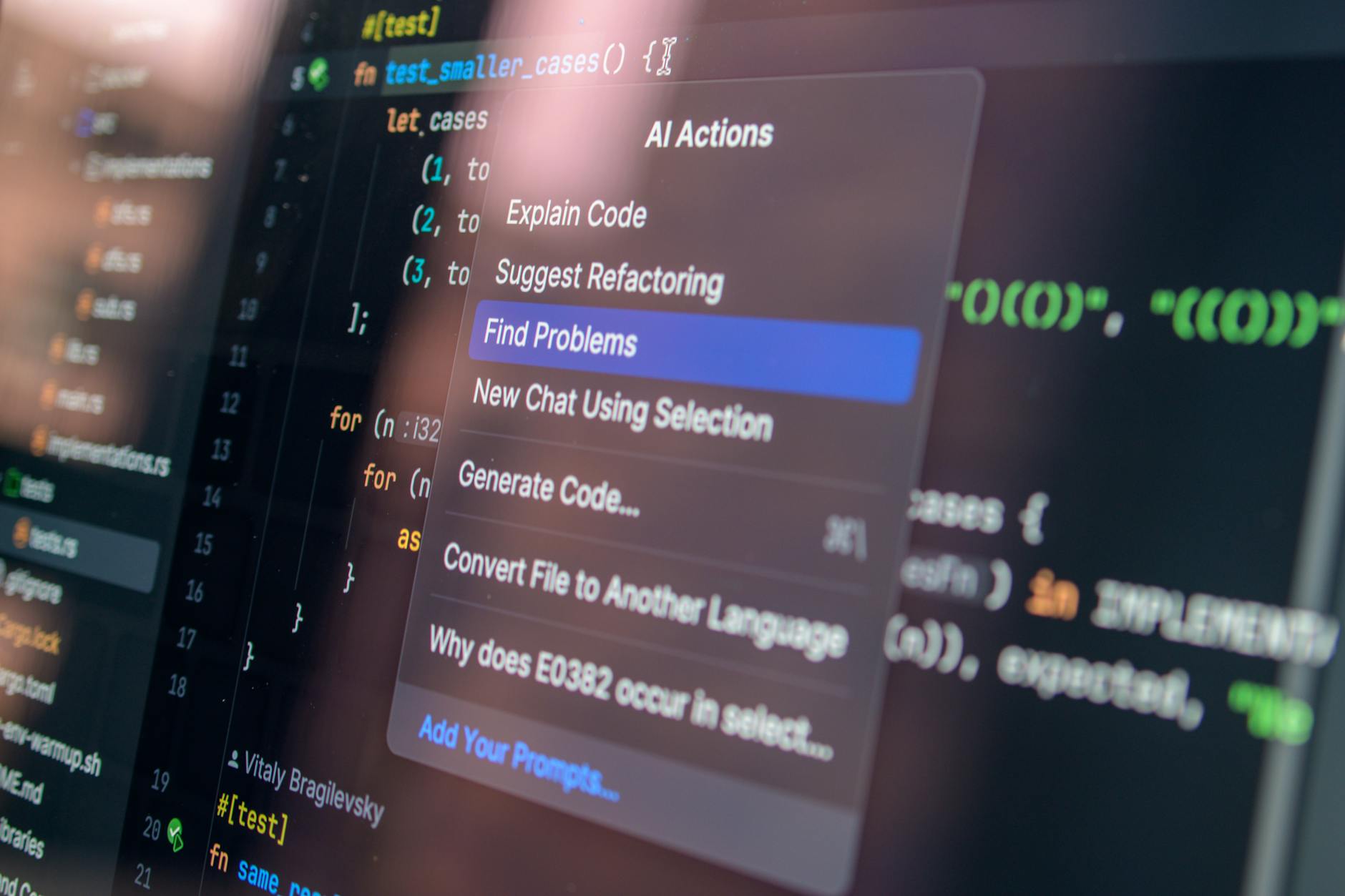
Remember when we feared AI would take our jobs? Now we fear it will take our budget. Enter Tokensparsamkeit—German-style penny-pinching on tokens that'll save your wallet from digital obesity.
What's the deal?
The idea is simple: don't feed your AI assistant tons of context when a few kilobytes will do. Every extra token is a penny dropping into OpenAI's or Anthropic's bottomless pit. And if you have a team of 10 developers chatting with ChatGPT all day, your token bill might exceed a junior dev's salary.
How does it work in practice?
Instead of dumping the entire codebase to AI (hello, Copy-Paste engineers), give it only what's needed: function signature, a couple of context lines, and a clear prompt. No "let me tell you the whole project history." AI is not a therapist—it doesn't need your drama.
Tips for token ninjas:
- Use short but precise prompts. Less fluff means cheaper answers.
- Set token limits in your IDE (e.g., Cursor or GitHub Copilot). Yes, those settings exist and they actually work.
- Don't let AI read entire documentation—just the relevant snippets. Otherwise it starts hallucinating, and you pay for hallucinations.
METABYTE studio's take: We love chatting with AI too, but we prefer it helps write code rather than drain the client's wallet. In our projects, we optimize prompts so tokens are spent only on useful work—like the pizza budget for the team, not on endless refactoring for refactoring's sake.
NEXT STEP
Liked the approach?
We apply the same principles to client projects: AI, automation, products that don't die after launch.