Neural Networks Are Just Weights: Demystifying Model Weights
Who knew the magic behind AI is just a bunch of numbers that behave like weights on a scale?
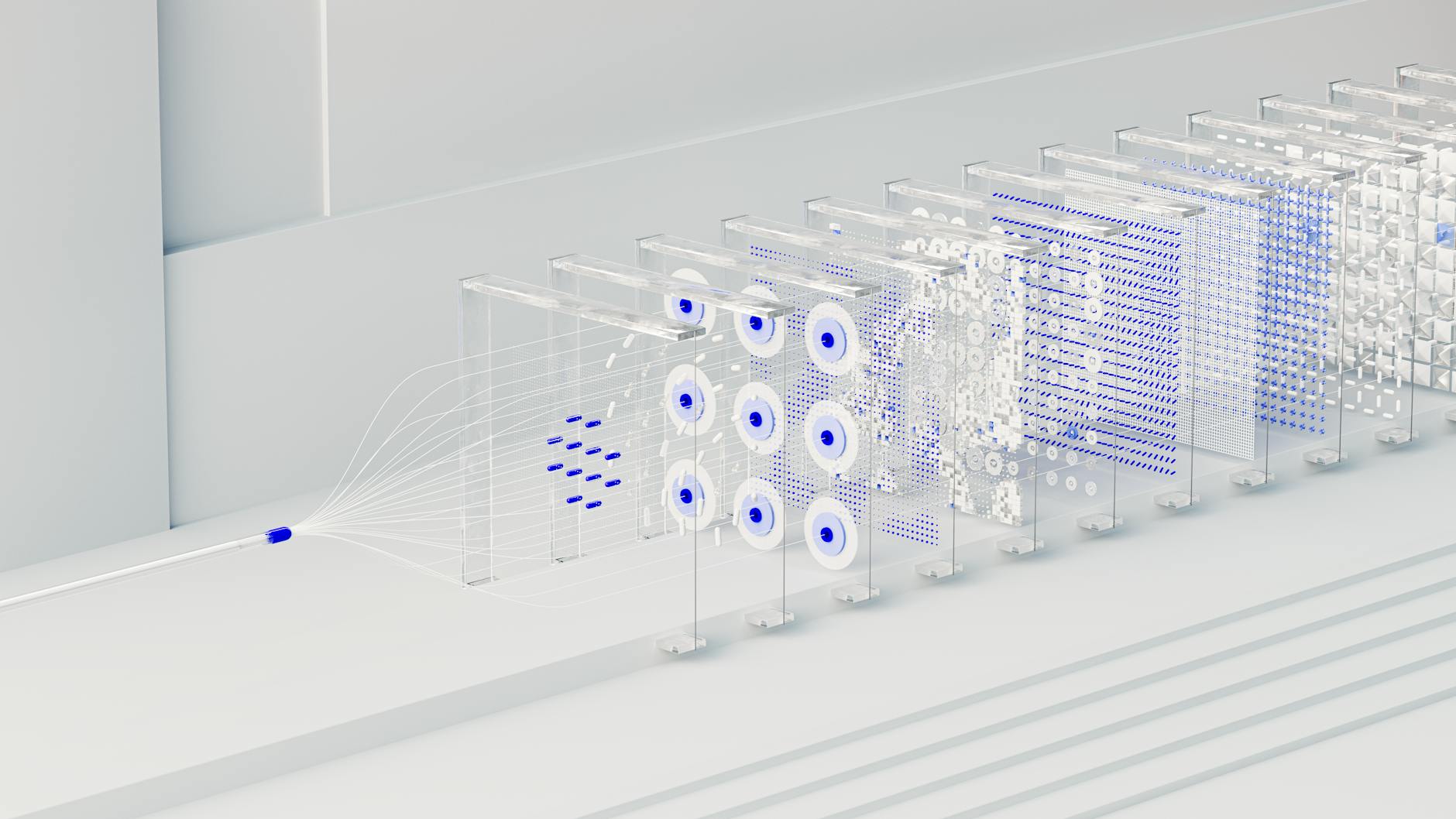
When we talk about training neural networks, the term "weights" sounds mysterious and almost magical. But strip away the hype, and they're just numbers the model tweaks to make fewer mistakes. Essentially, they're the same as physical weights, only instead of kilograms, we have values between -1 and 1.
The article breaks down what actually happens during training: gradient descent is like trying to guess how much to put on a scale, and the loss function is the scale telling you how far off you are. If your project starts behaving like a wonky scale — swinging back and forth — your learning rate is probably too high.
This explanation hits home for every developer: you spend hours tuning hyperparameters, and the model spits out results as if fed random numbers. The key takeaway: weights aren't magic, just the product of many iterations, like a CI/CD pipeline after the 47th commit.
What This Means for Developers
Understanding the "physics" of weights helps you stop treating AI like a black box. Knowing that every "smart" output is just multiplications and additions makes debugging easier and the whole process less intimidating.
METABYTE Studio Comment: We once thought neural network weights were stored in a secret lab, but turns out they're just in a JSON file. If you want to dive into ML without the mysticism, we're here to help you avoid overfitting pitfalls.
NEXT STEP
Liked the approach?
We apply the same principles to client projects: AI, automation, products that don't die after launch.