Python 3.15 Gets a Statistical Profiler: No More Guessing Where Your Code Hiccups
Python 3.15 introduces a built-in statistical profiler — now you can find out where your code slows down without turning it into a Christmas tree of decorators.
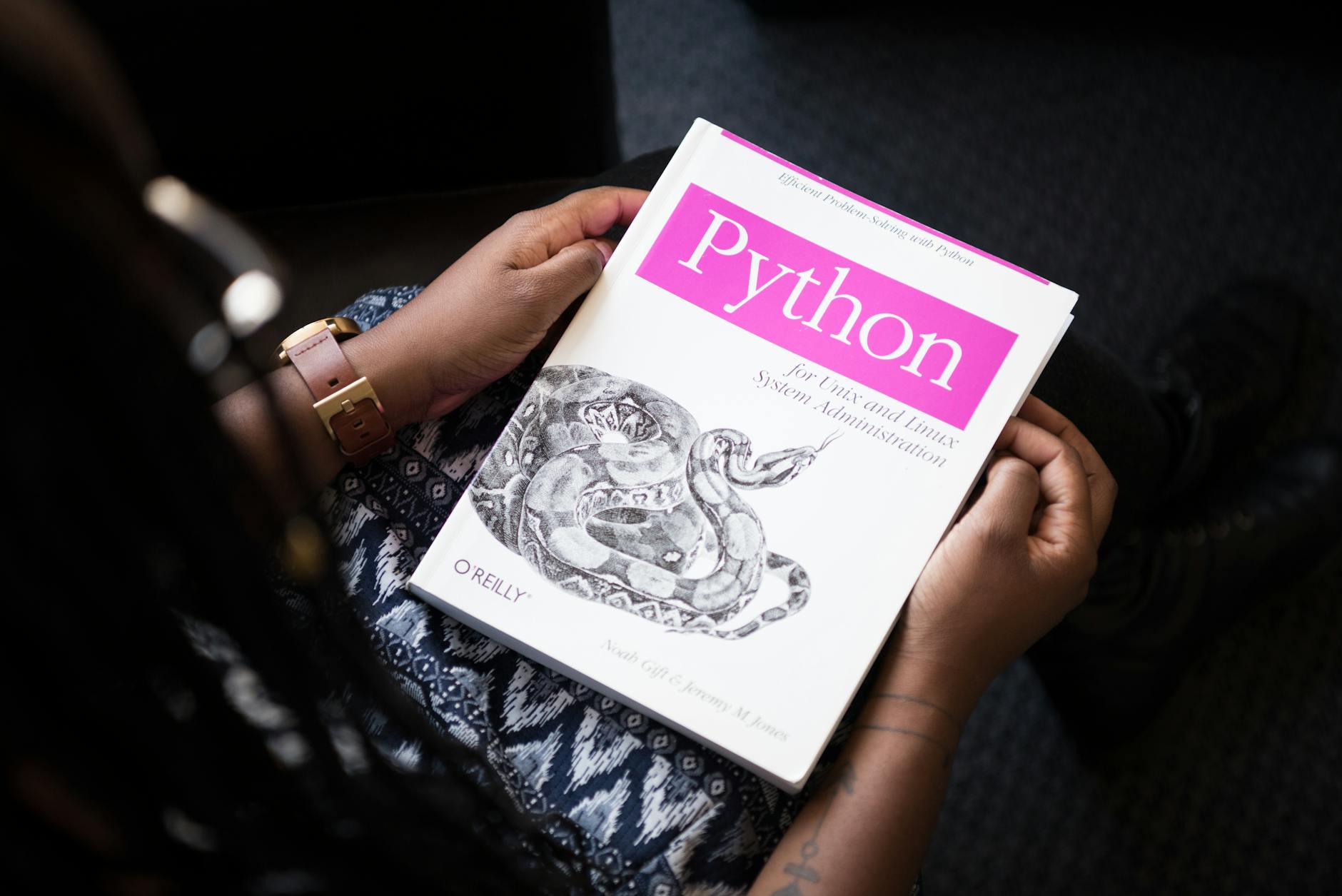
Finally, Python's standard library includes profiling.sampling — a module for statistical profiling. If you're tired of cProfile dumping a spreadsheet on you every five seconds, or manually timing with time.time(), this is your chance.
The statistical profiler works by sampling: it periodically peeks into the call stack and records where the interpreter is. No decorators, no intercepting every call — just lightweight monitoring with minimal overhead. Perfect for production, where every extra CPU percent means lost money (or a DevOps' sanity).
The key benefit: the profiler collects data without altering program behavior. It's like peeking at your code through a keyhole rather than putting it under a spotlight. Under the hood, it uses OS signals, so it works even with multi-threaded applications. Don't expect nanosecond precision, though — statistics is statistics.
Who needs this?
- Those hunting bottlenecks in production services without risking a meltdown.
- Developers who want a quick estimate of where code is slow without diving into details.
- Anyone tired of hearing "it works on my machine".
The module is still experimental, but you can try it now: just import profiling.sampling and run. The docs promise it works with asyncio too — which is a serious claim.
METABYTE studio's take: A statistical profiler is like a good doctor: it doesn't cure, but it points exactly where it hurts. If your project suffers from unexplained lag and deployments feel like Russian roulette, maybe it's time to peek under the hood with this new tool. At METABYTE, we love profiling too — but we prefer to do it before code hits production.
NEXT STEP
Liked the approach?
We apply the same principles to client projects: AI, automation, products that don't die after launch.