The Power of a Free Popsicle: Marketing Lessons from Stanford
Why giving away free ice cream might beat targeted ads—a lesson in reciprocity for techies.
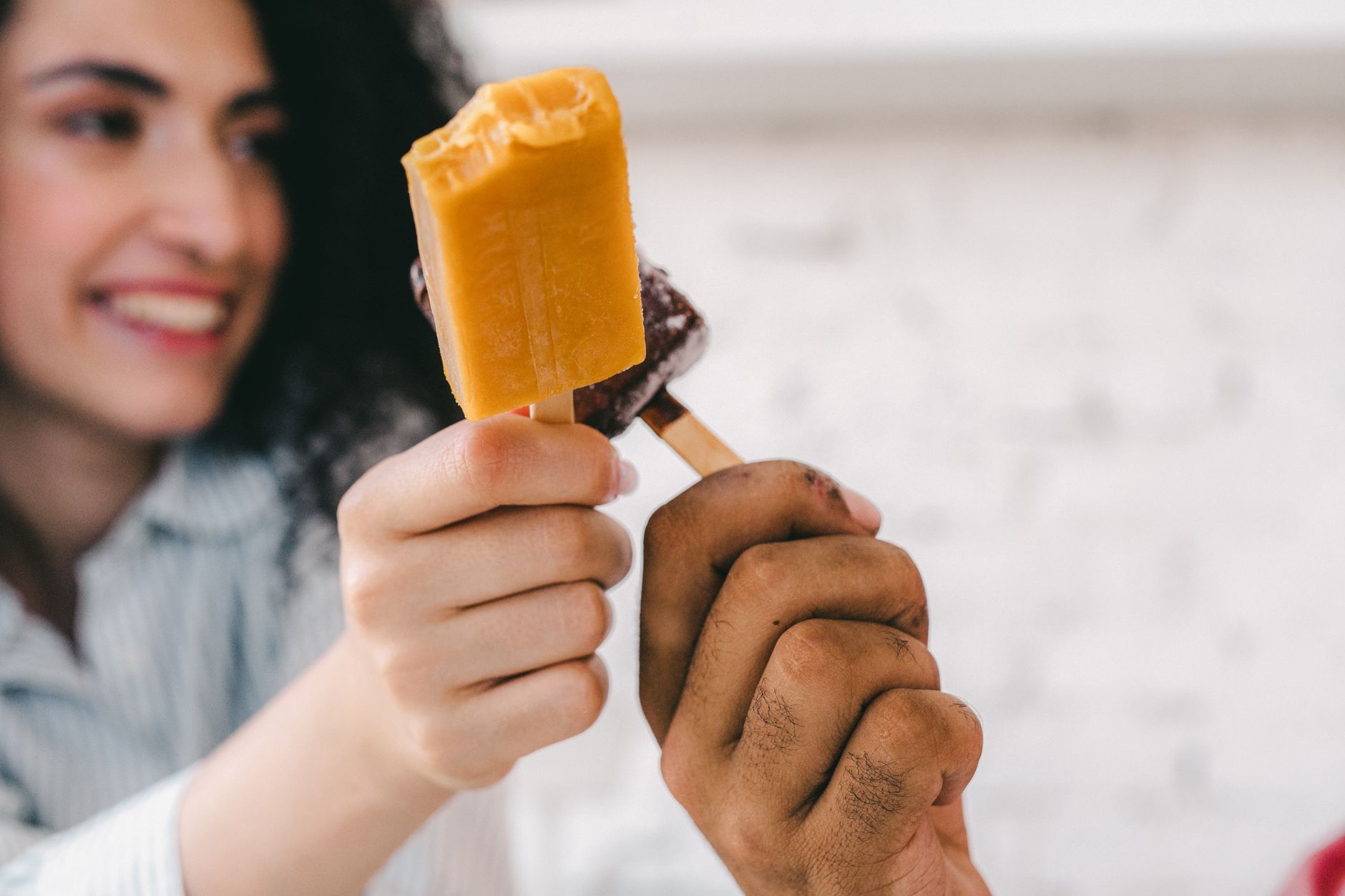
Researchers at Stanford Graduate School of Business found that free popsicles work wonders for customer loyalty. No, this isn't a joke about selling refrigerators—it's a real study that anyone trying to reach users through banners and newsletters should bookmark.
The experiment is simple: when people received a free popsicle with no strings attached, they felt grateful and were more likely to make a purchase later. Psychologists call this the "reciprocity effect"—we subconsciously want to repay kindness. It's like when your CI server builds the project on the first try without any hacks—you'd want to thank it with a Pro subscription.
Of course, handing out popsicles on every corner isn't the most scalable approach for a startup. But the idea works in the digital world too: a free trial without credit card, a useful guide, or a simple "thank you" can work wonders. Especially when competitors are spamming users with intrusive offers.
METABYTE studio comment
Free popsicles are nice, but if your product runs like an old Pentium, no dessert will save it. Better make quality software first, then treat your users. Though if you insist, we can budget for popsicles in the project estimate.
NEXT STEP
Liked the approach?
We apply the same principles to client projects: AI, automation, products that don't die after launch.