Pipes, Forks, and Zombies: How Not to Turn Your Code into a Walking Dead
Understanding Linux processes — from creation to zombification — with humor and without pain.
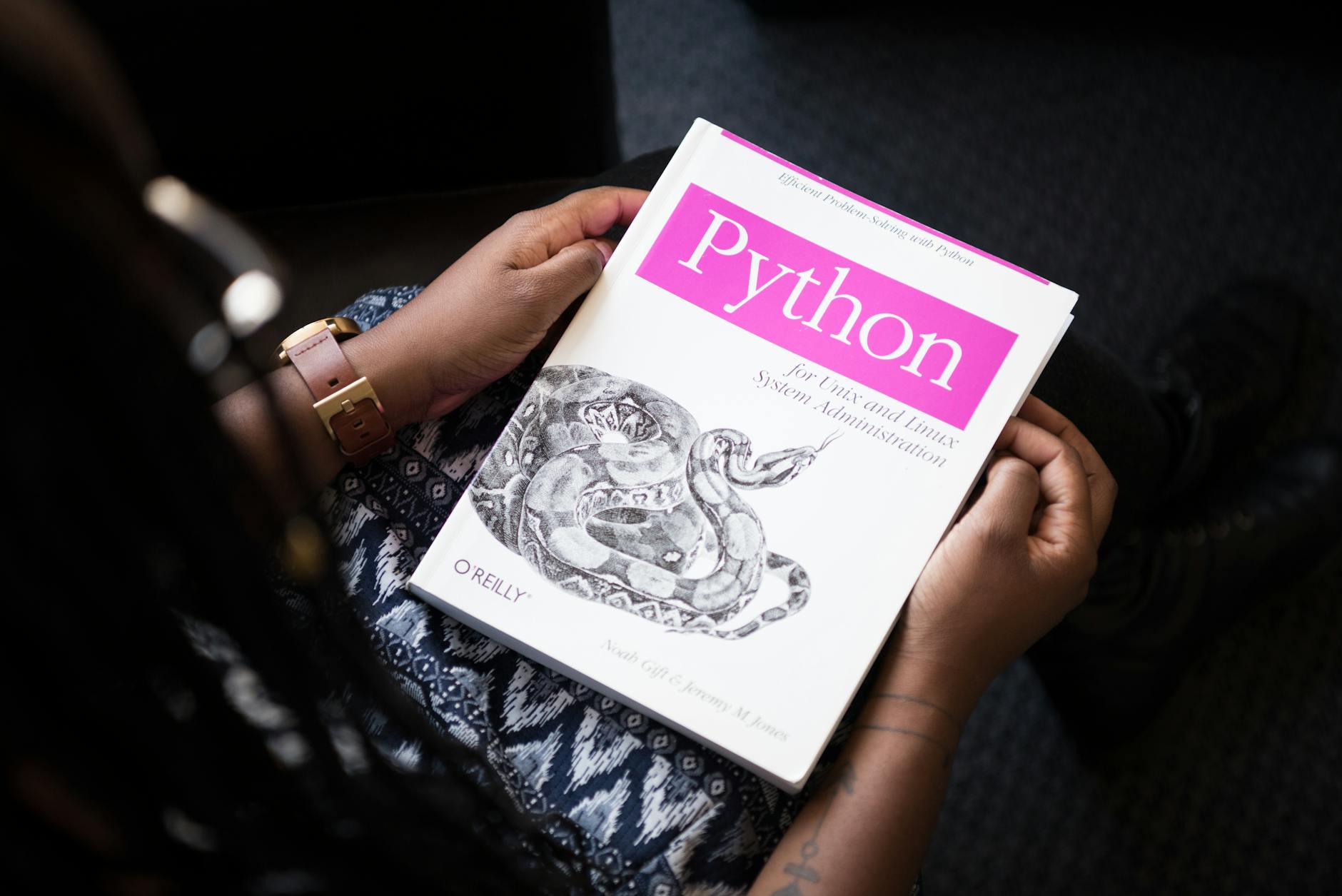
If you've ever tried to figure out Linux system calls and felt like the protagonist of a horror movie who walked through the wrong door — this article is for you. We'll talk about pipes, forks, and zombies, but promise: no blood, just a few gray hairs.
What is fork and why it's not a utensil
fork() is a system call that creates a copy of the current process. Imagine you're sitting at your computer, and suddenly your exact copy appears, also wanting to work. Unlike twin movies, here the copy actually executes code. The parent process gets the child's PID, the child gets 0. If you forget to check the return value, you might accidentally create an army of processes that gobble up memory like zombies eat brains.
Pipes: how to connect processes without them fighting
Pipes are an inter-process communication mechanism. You create a pipe, one process writes data, another reads it. Sounds simple, but in practice it's like trying to pass a note through a noisy hallway: you need to synchronize, don't forget to close unused ends, and avoid stepping on the deadlock rake. And yes, if you don't close all file descriptors, your program will hang forever waiting for someone to turn on the tap.
Zombies: processes that refuse to die
When a process terminates, it doesn't disappear immediately — it becomes a zombie. It's like a ghost haunting the system until the parent calls wait(). If the parent doesn't, zombies accumulate and the process table fills up. Result: "cannot create new process" message and your server crashes. To avoid this, either call wait() in a loop or use sigaction to ignore SIGCHLD. Remember: zombies are not funny, they're a bug.
METABYTE studio comment: We too once forgot to close file descriptors and wondered why the server was unresponsive. If you want your code to live happily ever after and not turn into a zombie farm, trust the pros — we have the antidote for dead processes.
NEXT STEP
Liked the approach?
We apply the same principles to client projects: AI, automation, products that don't die after launch.