The Carpet That's Killing You: How America's Carpet Capital Became a Toxic Trap
PFAS in carpets isn't just 'forever chemicals' – it's an environmental drama with a mothball scent.
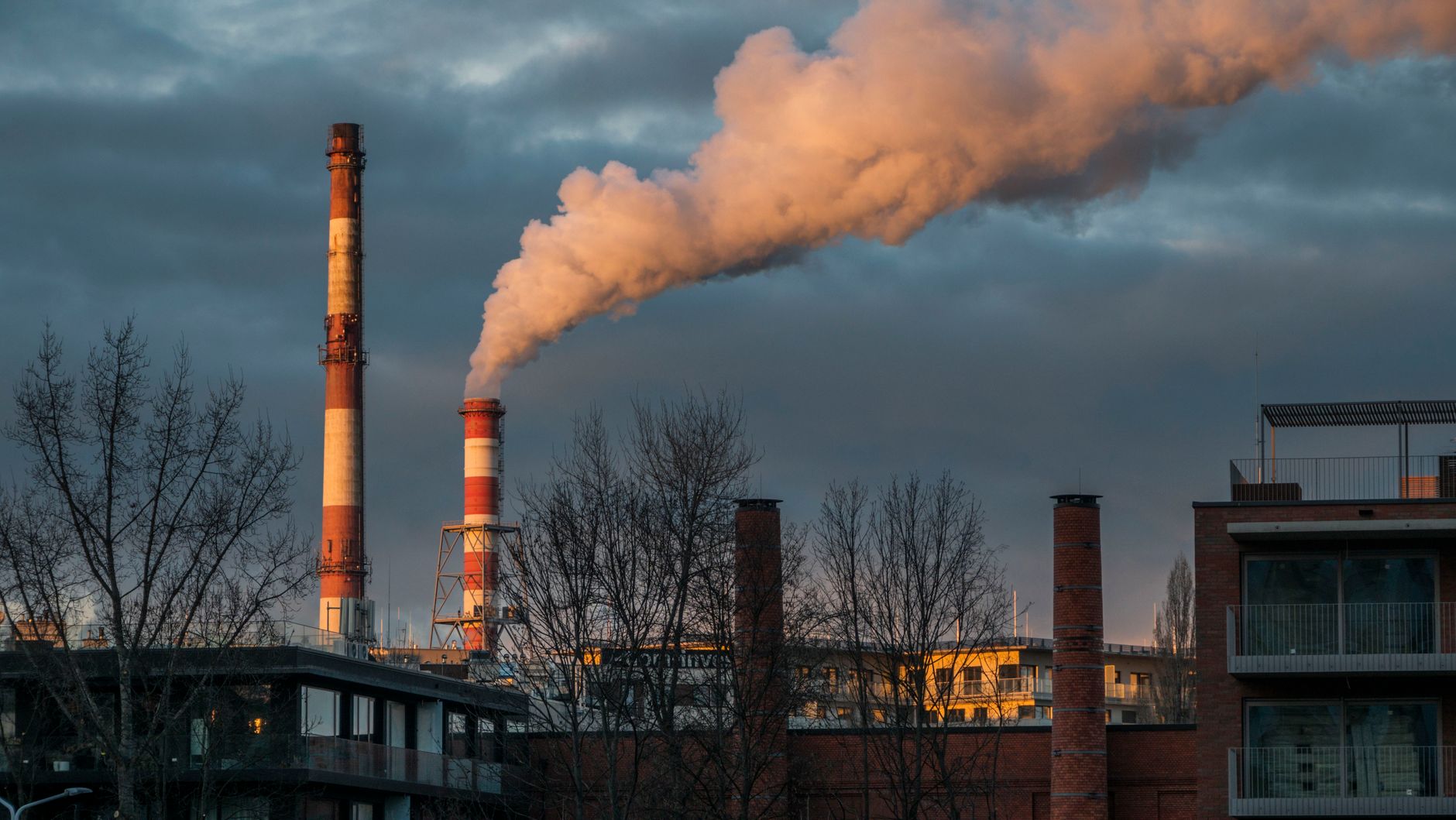
Ever wondered what your favorite carpet and a non-stick pan have in common? Both can contain PFAS – those 'forever chemicals' that don't break down for decades. While you can toss the pan, your carpet keeps poisoning you even after it's trashed.
Dalton, Georgia, proudly calls itself the 'Carpet Capital of the World.' But as an AP investigation reveals, this crown has a dark side: for decades, factories dumped PFAS-laden waste directly into rivers and soil. Locals now drink chemical-tainted water, and fish in nearby streams seem to glow even without UV light.
What's PFAS and Why Should Developers Care?
PFAS (per- and polyfluoroalkyl substances) are a group of thousands of compounds used to make things grease-, water-, and heat-resistant. Sounds handy until you learn they accumulate in the body and are linked to cancer, thyroid issues, and immune suppression. Just like legacy code: nobody wants to touch it, but it's slowly killing the project.
For IT folks, there's an ironic parallel: we love 'forever' solutions – microservices running for years, containers never rebuilt. But like PFAS, this approach can have delayed consequences. Only instead of toxic water, you get a toxic codebase nobody wants to refactor.
Why This Matters for Startups and Devs
- Regulatory risks: if your product uses PFAS (e.g., in packaging or coatings), brace for lawsuits and bans. Analogy: forgot GDPR? Same deal, but with chemistry.
- Eco footprint: users increasingly choose green brands. If your app helps track carbon footprint – you're on trend. If not, consider adding such features.
- Technical debt: like PFAS, it accumulates silently. Regular code and dependency audits are your 'water purification'.
Bottom line: Dalton's story is a reminder that whatever you produce, sooner or later you'll have to answer for the consequences. Even if it's just a carpet.
METABYTE studio comment: We're not chemists, but in our projects we try to avoid 'forever' crutches. If your code starts to look like a PFAS dump – maybe it's time for a refactor?
NEXT STEP
Liked the approach?
We apply the same principles to client projects: AI, automation, products that don't die after launch.