PC Engine CPU: How an 8-bit Processor Outran 16-bit Giants
Exploring the architecture of the legendary chip that managed to be faster than many 16-bit competitors.
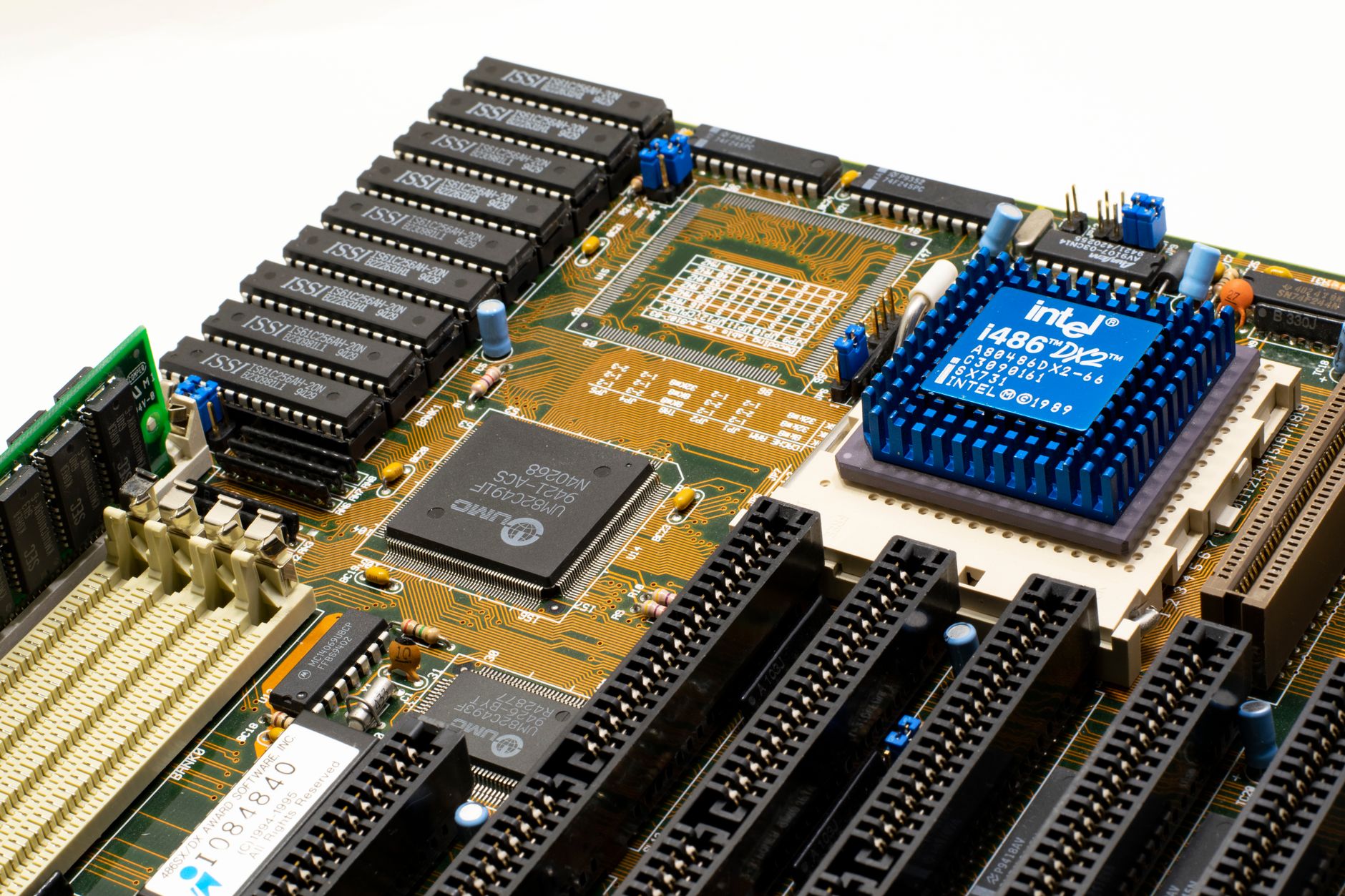
If you thought 8-bit processors were only good for calculators and microwaves, the PC Engine CPU is here to surprise you. This little guy, born in an era when dinosaurs still roamed the Earth (or rather, 1987), managed to deliver performance that put many 16-bit chips to shame. How? Let's pop the hood.
The secret lies in a clever architecture: two 8-bit ALUs working in parallel, plus an instruction cache that was almost magical for its time. Imagine trying to assemble an IKEA cabinet, and suddenly you get an extra pair of hands — that's how the PC Engine CPU outran its competitors. Granted, programming for it was like trying to teach a cat tricks: documentation is scarce, and bugs are the norm.
Speaking of bugs: game developers for this console surely remember that moment when the debugger is silent, but the game crashes at the worst possible time. Sound familiar, folks? But those dances with the devil birthed masterpieces — just recall R-Type or Bonk's Adventure.
What does this mean for us today? The architectural decisions of the PC Engine CPU are a prime example of how smart data organization can outperform raw power. For modern developers, it's a reminder: you don't always need to chase gigahertz, sometimes optimizing what you have is enough. At METABYTE, we believe that a well-architected application can work wonders, even if it's not running on the beefiest server.
NEXT STEP
Liked the approach?
We apply the same principles to client projects: AI, automation, products that don't die after launch.