Optimize for Change, Not Performance: Why DX Is the New Metric
Stop counting microseconds. The real win is code that bends without breaking when requirements shift.
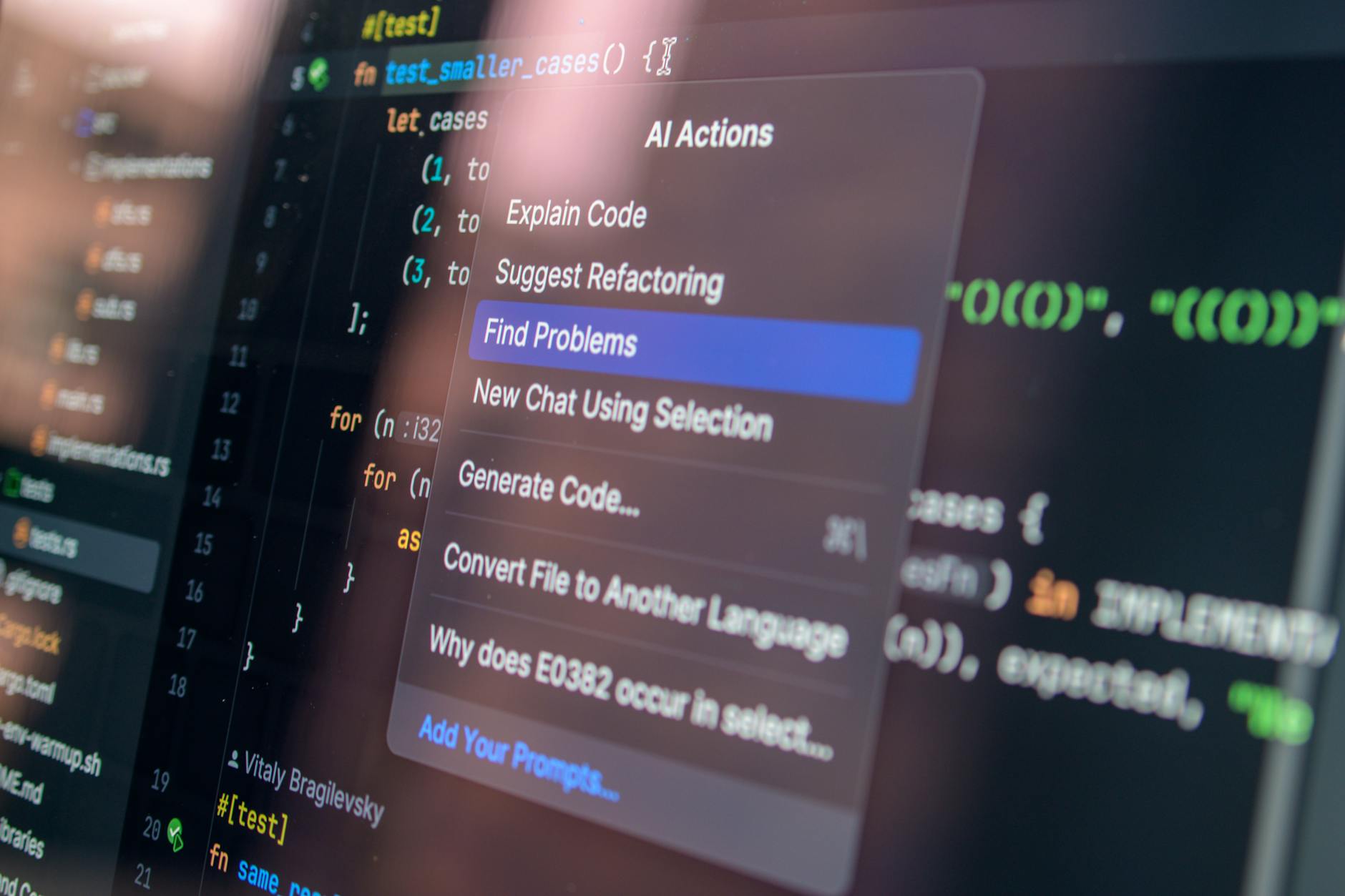
Developers, brace for heresy: chasing every millisecond in runtime might not be the best strategy. The EchoOff blog argues we should shift focus from application performance to... developer performance. Yes, that DX we all love to preach but rarely practice.
Think of it like assembling IKEA furniture: you can build a cabinet in an hour, but if the instructions are in Mandarin and the Allen key is flimsy, it'll collapse in six months. Same with code: fast but rigid is a ticking time bomb. The author suggests optimizing for change—write code that's easy to refactor, not code that runs in 0.01ms.
The core argument: business changes faster than you can profile. While you're polishing bottlenecks, competitors have shipped a feature on crappy but working code. And yes, technical debt isn't always evil if it pays off in speed of change. Unless you're writing software for a Mars rover, where every nanosecond counts.
Practical tip: start with a CI/CD pipeline that doesn't break on the first commit and a modular architecture where swapping a library doesn't mean rewriting the whole project. Remember: your code will outlive your startup (especially if it's a side project).
METABYTE studio comment: We used to chase perfect code too, until we realized clients want a working product yesterday. Now we optimize for change—and our CI/CD hasn't failed even after a Friday commit.
NEXT STEP
Liked the approach?
We apply the same principles to client projects: AI, automation, products that don't die after launch.