Physicists Still Can't Fully Explain Lightning, and That's Kind of Cool
New research suggests cosmic rays and ice crystals are involved, but the exact trigger remains elusive — much like a bug that only appears in production.
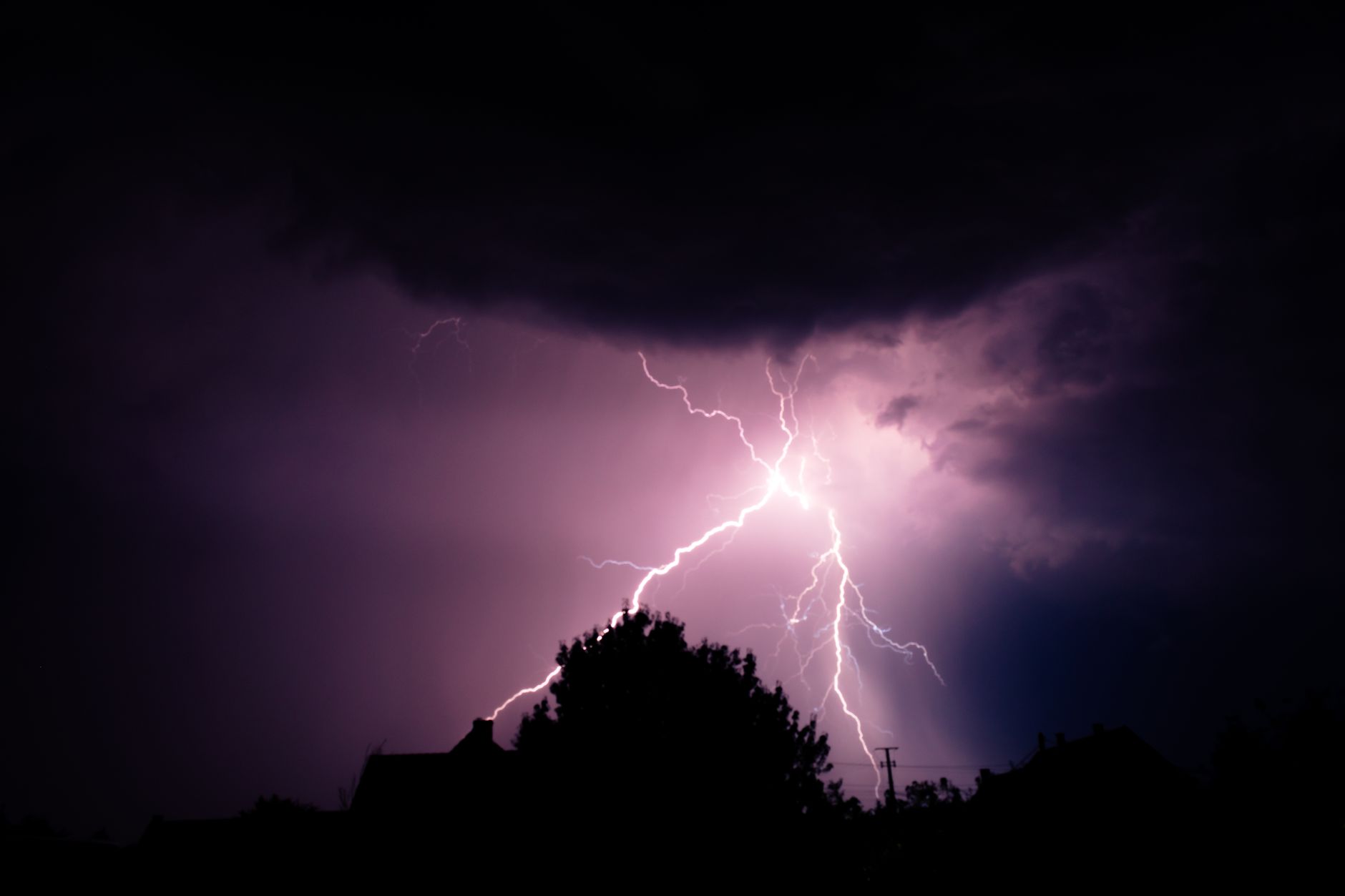
Remember that smug line from high school physics: "Lightning is an electrical discharge between clouds and the ground"? Well, science now thinks that explanation is about as useful as "the computer works because electrons run through the wires." A recent article on Quanta Magazine reveals that physicists still don't know exactly what triggers a lightning bolt. And honestly, that's great — it means we get to scratch our heads and write a few more PhD theses.
The prime suspect now is cosmic rays, which slam into the atmosphere and knock out electrons. These electrons, like a swarm of rogue beta testers, accelerate in the cloud's electric field, creating an avalanche. But for the lightning to actually strike, you also need ice crystals — they rub against each other, building up charge. The whole process feels like assembling IKEA furniture without instructions: all the parts are there, but how they fit together is a mystery.
The funniest part is that scientists are still arguing about where it all begins. Some say cosmic rays trigger lightning, others blame water droplets, and a third camp thinks it's pure randomness. Each side brings data that makes your eyes pop — just like a code review where everyone is sure their solution is the only correct one.
METABYTE studio comment: We're not physicists, but our projects also have their own "lightning" — sudden, unreproducible bugs. Good thing we have logs, not just guesses about cosmic rays.
NEXT STEP
Liked the approach?
We apply the same principles to client projects: AI, automation, products that don't die after launch.