Claude Code Tames the Monolith: How AI Navigates Million-Line Codebases
Anthropic drops a guide on Claude Code for large codebases — now your AI sidekick won't confuse your enterprise spaghetti with a random side project.
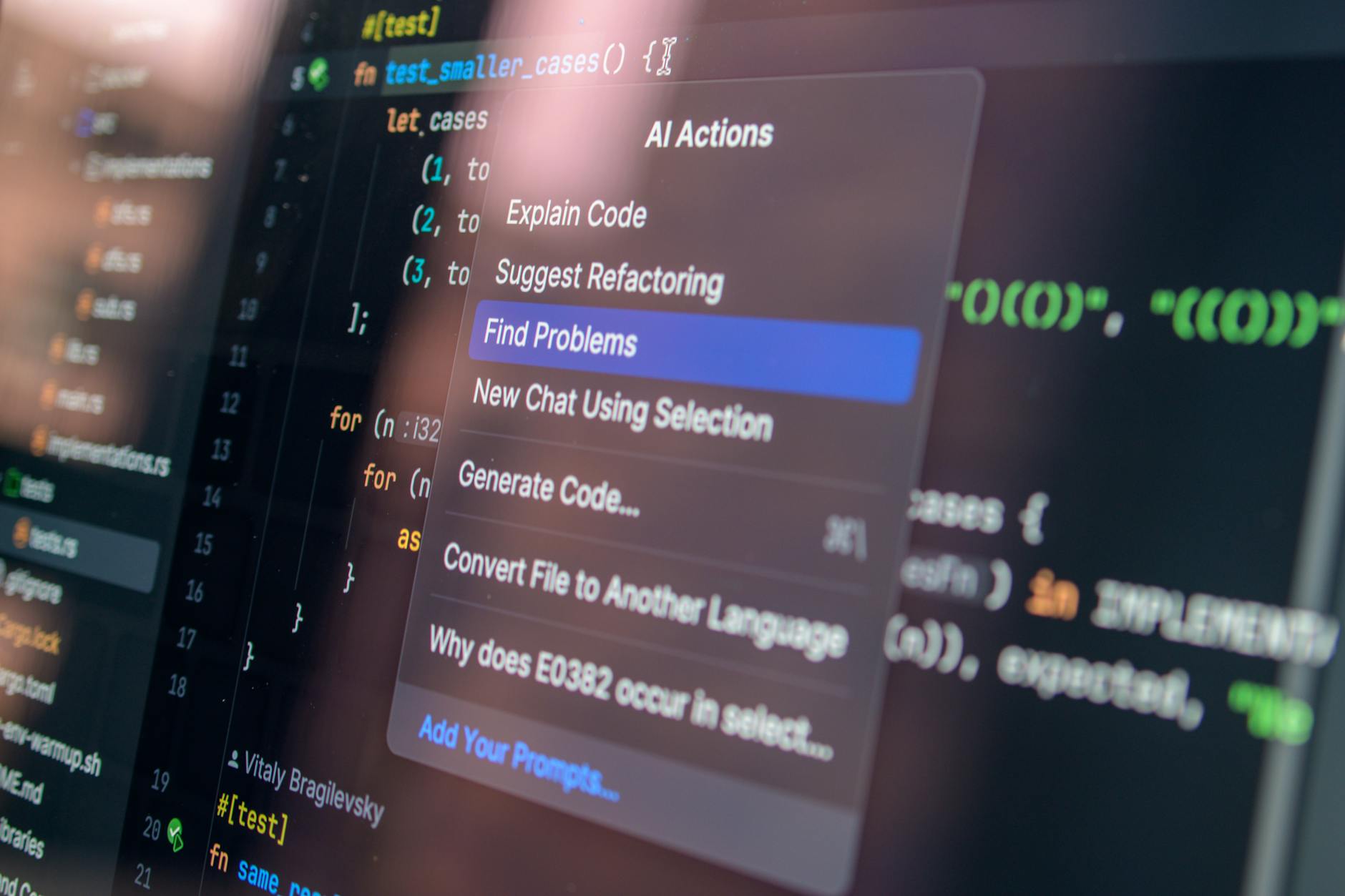
Anthropic has finally spilled the beans on how Claude Code manages to keep its cool when diving into repositories the size of a phonebook. If you've ever tried to get ChatGPT to understand that your Go microservice isn't just 'some code', this new guide is your jam.
How It Works
Claude Code employs a few clever tricks to avoid getting lost in your legacy labyrinth:
- Prioritized context window — The AI doesn't attempt to load the entire project into its head; instead, it focuses on relevant files, like a dev hunting a bug only in changed lines (yeah, right).
- Hierarchical understanding — Claude Code builds a dependency map to know where calls are made, rather than guessing from function names.
- Step-by-step decomposition — Instead of rewriting the whole service in one go, the AI breaks the task into small steps, like asking a junior to refactor one module at a time.
Of course, it's not a silver bullet. If your codebase is a 20-year-old tangle of spaghetti, even Claude Code might ask for a napkin. But for projects with sane architecture, it works.
The 'best practices' section is a chuckle: Anthropic advises giving the AI clear instructions and setting boundaries. Just like with a human dev, except you don't have to nag about code reviews.
METABYTE studio's take: Claude Code reminds us that even the smartest AI is just a tool that needs a solid spec. As in development, magic happens when clear requirements meet the right tech. And if your code still looks like a snake pit — maybe refactor first, then AI.
NEXT STEP
Liked the approach?
We apply the same principles to client projects: AI, automation, products that don't die after launch.