HDD Firmware Hacking: Your Hard Drive Is a Tiny Computer with Secrets
Turns out every HDD has its own microcontroller, and you can hack it. But why would you?
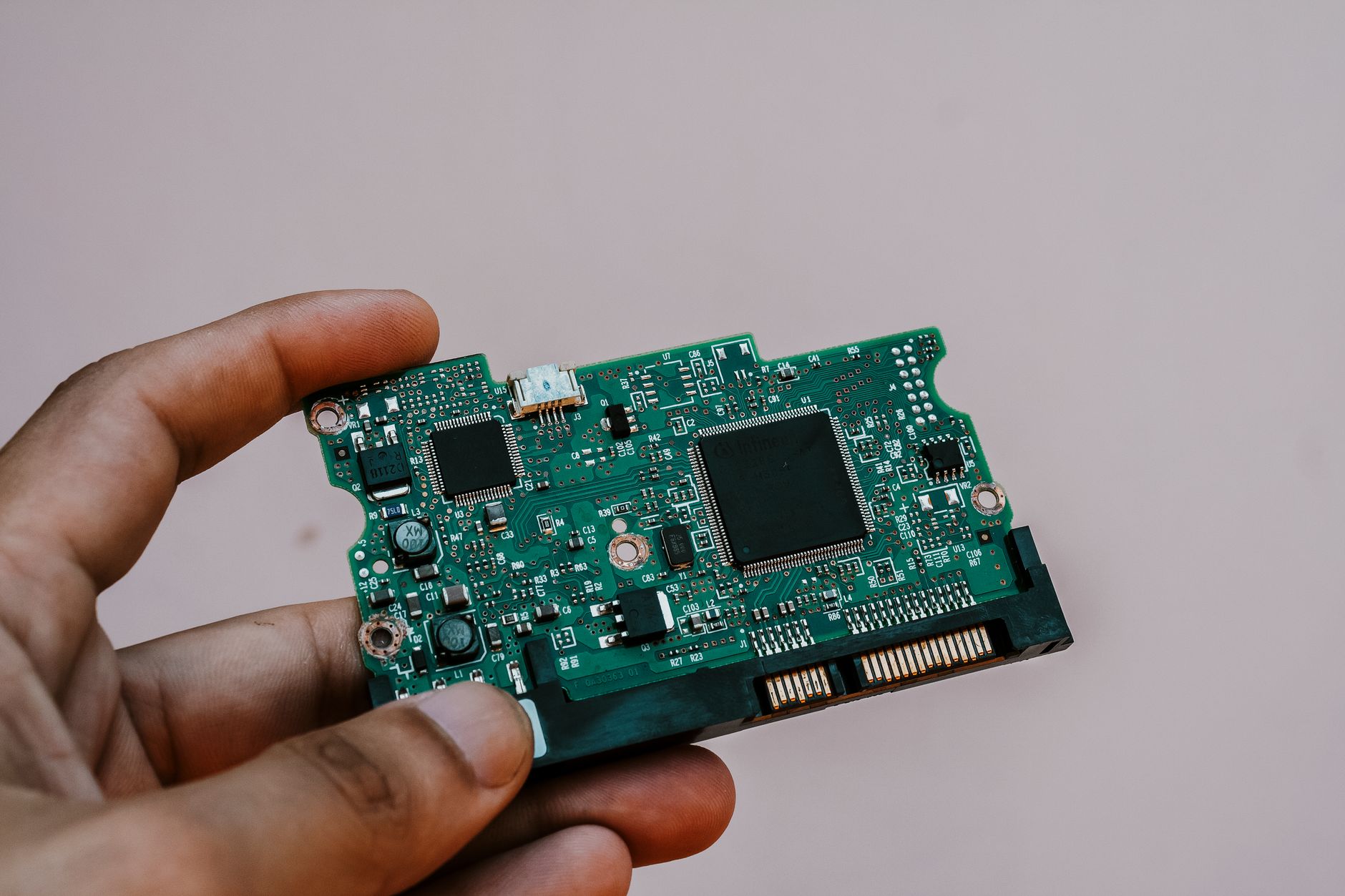
Ever thought your hard drive is more than just a box of spinning platters? It's actually a full-blown computer with its own firmware, running its own agenda. And if you think about it, that makes it a perfect hacking target – who ever checks the disk's firmware? Nobody, that's who.
Researchers at iCode4Coffee decided it's time to pop the hood on this "iron horse" and show how to hack HDD firmware. Turns out many drives have debug interfaces (like UART) that manufacturers left "just in case." And we all know what "just in case" means in IT: it's like leaving the default admin/admin password on a router – for internal use only, but everyone knows.
The hacking process is like assembling IKEA furniture without instructions: you need to find test pads, solder wires, connect to UART, and figure out what beast you're dealing with. Often the firmware is written in C and uses an RTOS. Once you know that, you can try to take over or inject your own code. For example, you could make the disk pretend to be broken or hide data from the OS. Sounds like a spy thriller, right?
Of course, not all drives are equal: modern ones have better protection, but older models (pre-2010) are a hacker's paradise. If you have an old 40GB HDD lying around, don't throw it away – you might become the master of flash memory.
METABYTE studio comment: Hacking HDD firmware is fun, but we wouldn't recommend experimenting on your production drives. If you need reliable storage, leave it to the pros – not some DIY UART prank.
NEXT STEP
Liked the approach?
We apply the same principles to client projects: AI, automation, products that don't die after launch.