Flock Cameras' Data Allegedly Used for Immigration Enforcement: Privacy Under Fire
Data from smart Flock cameras, designed to fight crime, may have been used for immigration enforcement — welcome to the surveillance state with a dash of mission creep.
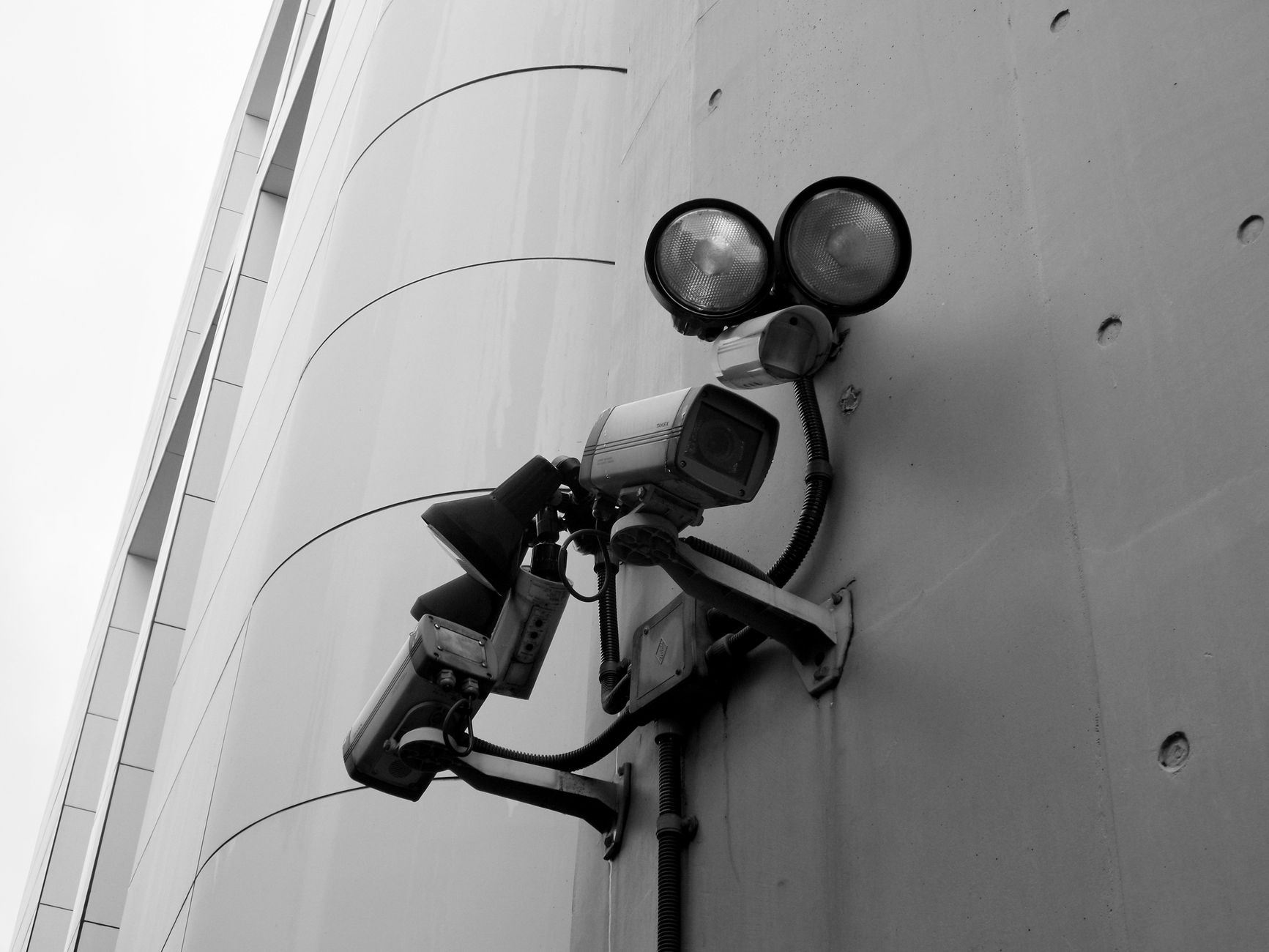
Remember when Flock cameras were just about reading license plates to catch car thieves? Well, authorities in Dayton, Ohio, have suggested that data from these very cameras may have been used for immigration enforcement. The system sold as a crime-fighting tool has apparently moonlighted as a deportation assistant. Classic feature creep, but with higher stakes.
Technically, Flock is a network of AI-powered cameras that scan plates in real-time against stolen vehicle databases. But if immigration agencies get access, every drive under a camera becomes a potential deportation trigger. Developers who've built integrations with such APIs know the drill: "It's just for analytics, I swear!" — until data leaks to third parties. It's like giving a locksmith a key to your house and being surprised when he lets in the tax collector.
The irony is thick: Flock markets itself as a police ally, but it turns out the ally works for anyone with a credit card. Marketing promises "safety," but data safety takes a backseat. We end up with IoT devices installed for convenience becoming surveillance tools — because nothing says "smart city" like automated immigration checks.
METABYTE's take: Another reminder to bake privacy-by-design into your projects. If you're building an API for data collection, remember: eventually, someone unexpected might plug into it. Better to lock down access from the start than to explain to clients why their data went "elsewhere."
NEXT STEP
Liked the approach?
We apply the same principles to client projects: AI, automation, products that don't die after launch.