Back to articles
Diskless Linux Boot: ZFS, iSCSI, and PXE
How to set up diskless Linux boot with ZFS, iSCSI, and PXE — save on SSDs and gain flexibility.
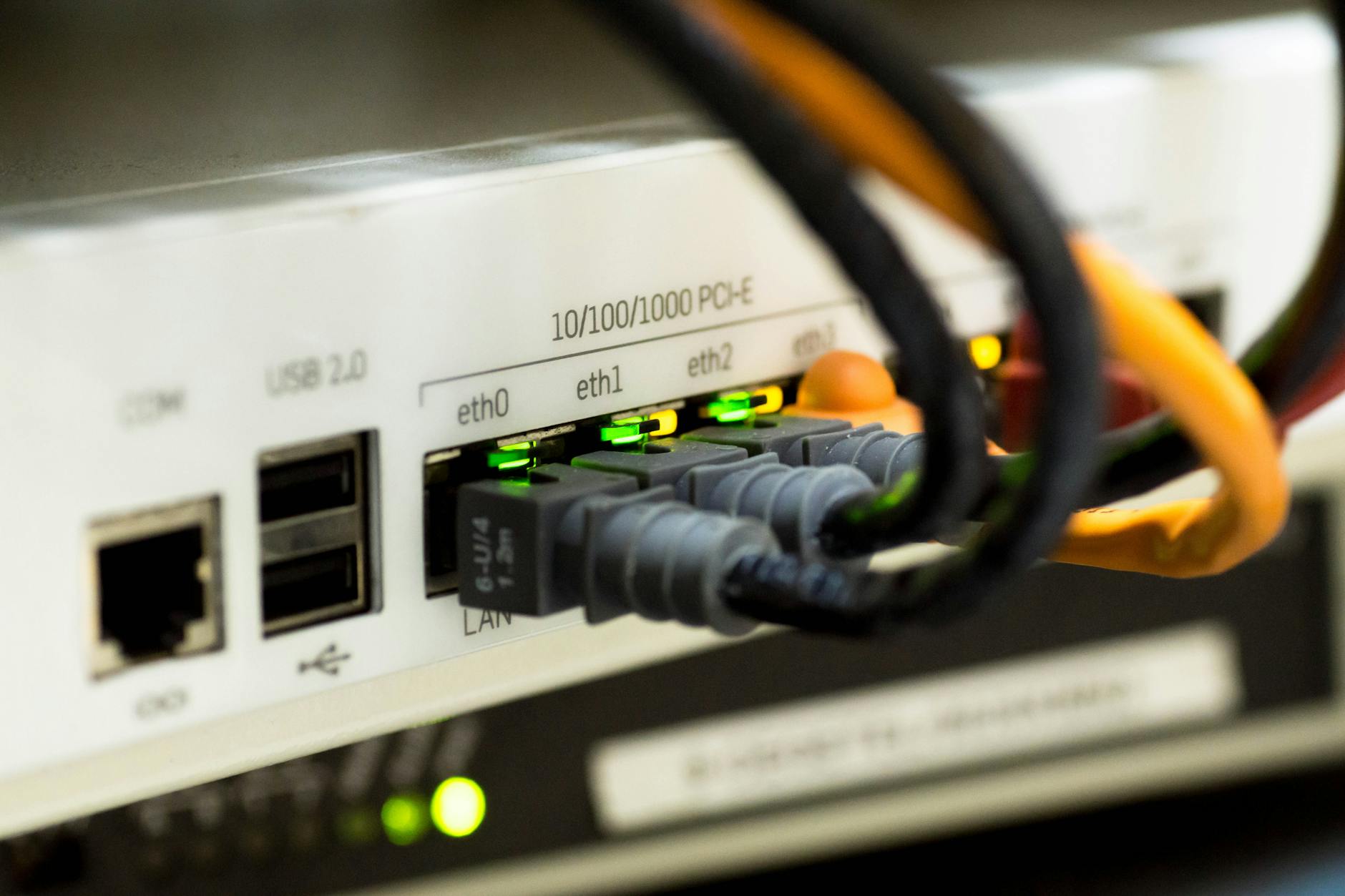
Remember when every server had its own hard drive and admins prayed to RAID? Now you can run Linux without any local storage. Engineer Aniket from Red Hat shared his experience setting up diskless boot using ZFS, iSCSI, and PXE.
The gist:
- PXE loads kernel and initramfs over the network.
- Root filesystem is mounted from an iSCSI target.
- Storage server runs ZFS with dedup and compression.
What's in it for developers?
- Centralized image management: update once, apply everywhere.
- Save on disks: no need to buy SSDs for each workstation or server.
- Instant deployment: a new node is ready in minutes.
Gotchas:
- Requires stable network (preferably 10GbE).
- iSCSI initiator in initramfs — you'll need to build a custom image.
- ZFS on the target side gives snapshots and replication out of the box.
METABYTE studio's take: Diskless boot is a great scenario for test benches and CI/CD environments. At METABYTE, we use similar approaches for rapid client infrastructure deployment.
NEXT STEP
Liked the approach?
We apply the same principles to client projects: AI, automation, products that don't die after launch.