The Great Bench Heist: Why Cities Are Making You Stand
Cities are removing benches – it's not just design, it's a war on your right to sit.
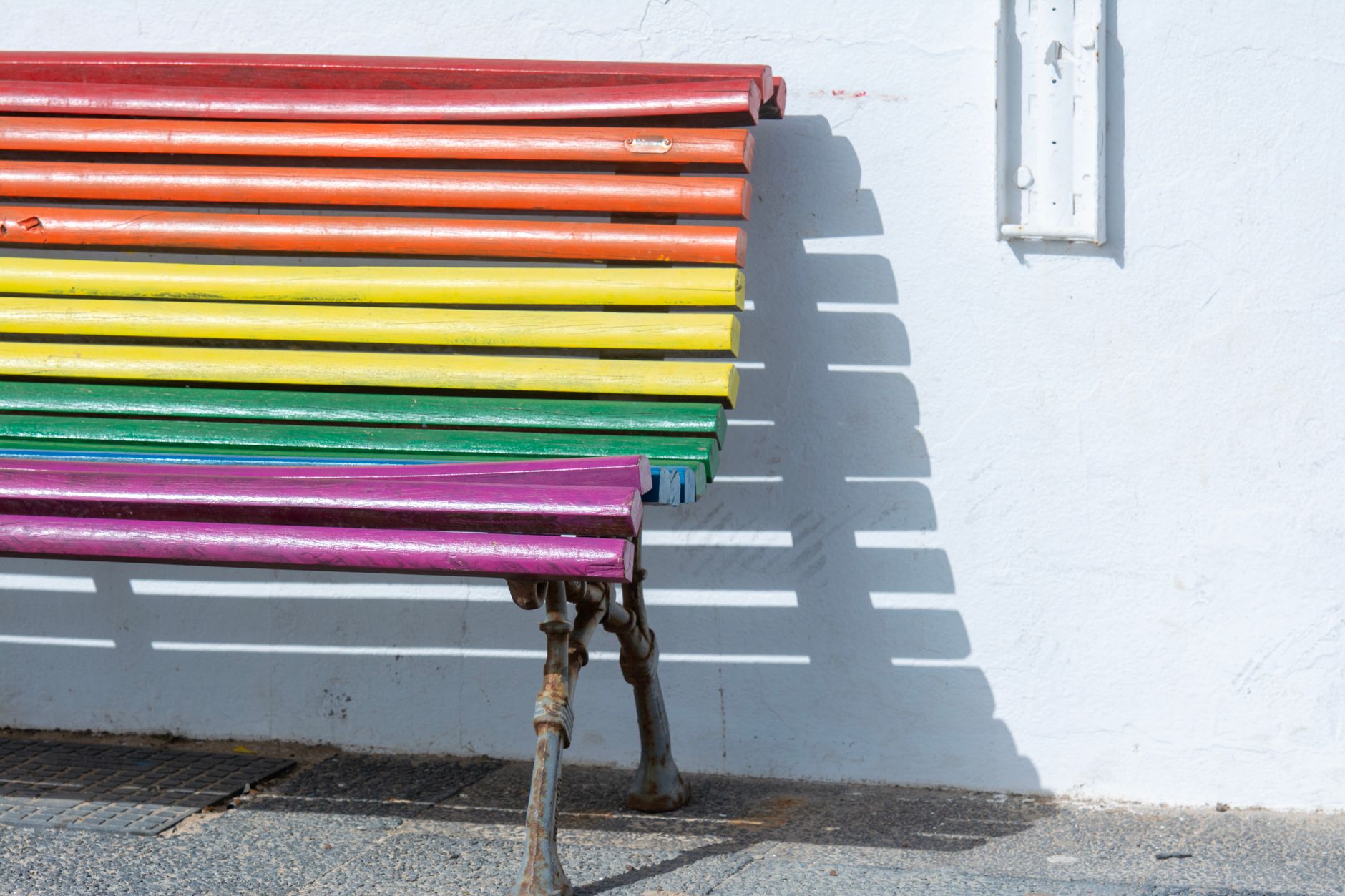
Ever noticed that modern parks have either painfully uncomfortable benches or none at all? No, it's not your imagination. It's a design trend called "hostile architecture". The idea: make public spaces as unwelcoming as possible to anyone who dares to sit for more than five minutes.
Benches with armrests in the middle to prevent lying down. Slanted seats that make you slide off even if you're a yoga master. Or no benches at all – just concrete spheres and narrow ledges. All this is an attempt to "filter out" unwanted users: homeless, skateboarders, teens. But everyone suffers.
Why should developers care? Because the same logic creeps into UI. Hostile design in interfaces – hiding the "Delete account" button behind 47 clicks, or requiring a captcha with fire hydrants to confirm your password. Instead of making things accessible, we build barriers.
Of course, there's a flip side: removing benches makes cities more "efficient" for transit. But just like in code, optimization without user empathy turns a city into a conveyor belt. Want to live in a place where you can't sit? Welcome to dystopia.
METABYTE studio's take: We believe in IT, as in cities, there should be room to rest. If your interface makes users run away – maybe it's time to add a "bench" in the form of a clear button or a humane onboarding flow?
NEXT STEP
Liked the approach?
We apply the same principles to client projects: AI, automation, products that don't die after launch.