Code Got Cheap, But Reviews Didn't: Why AI Won't Save You from Bugs
AI writes code faster than you can say 'Friday evening deploy,' but reviews are still manual — sound familiar?
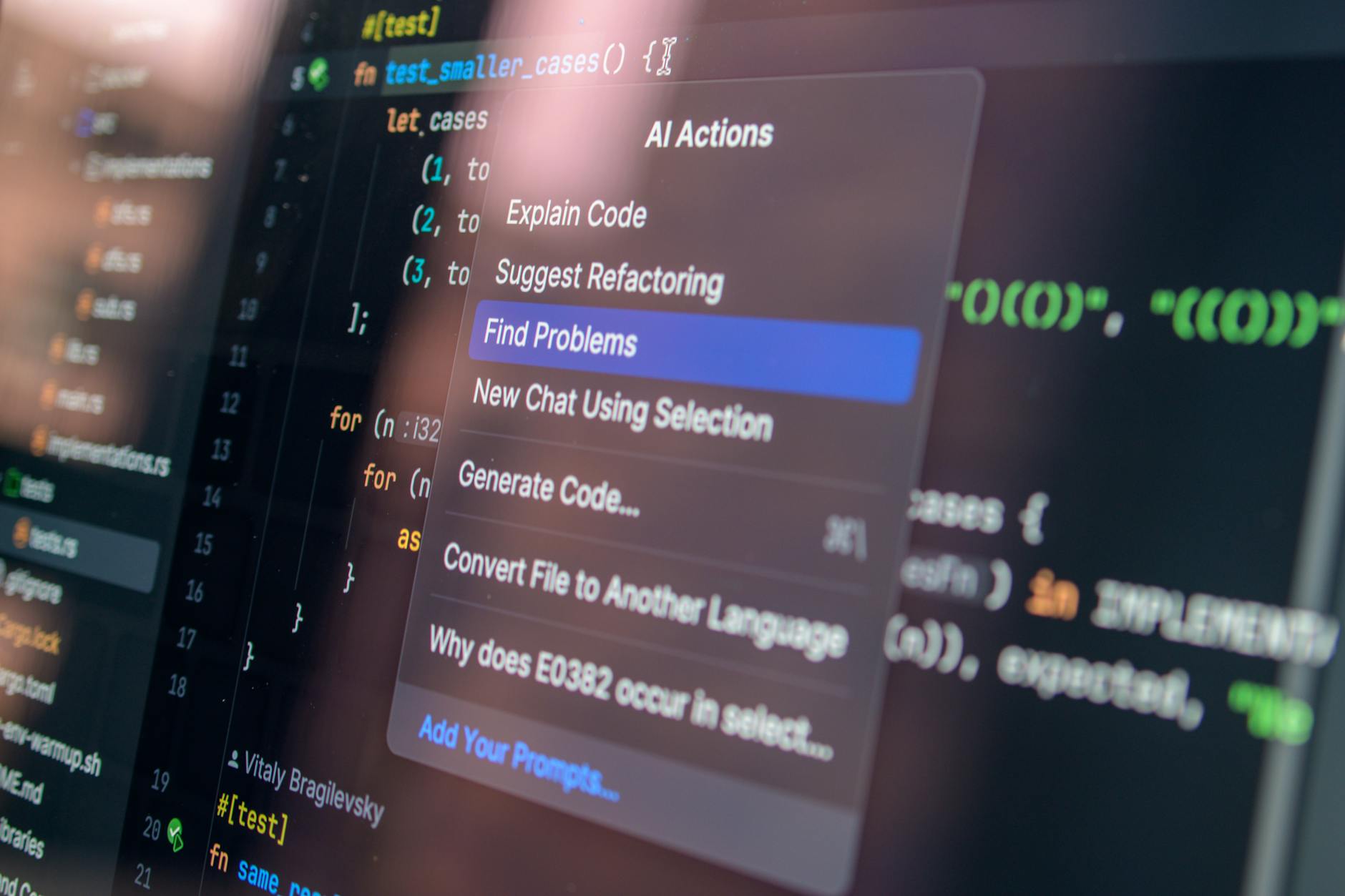
Have you noticed how code has become literally 'cheaper' over the past couple of years? No, IDE license prices haven't dropped, but AI assistants now churn out tons of code at the snap of a finger. Here's the paradox: nobody automated the review of that code. Teams are drowning in pull requests where each snippet looks like it was written by a robot enthusiast who binged on Stack Overflow.
Why? Because AI code is like IKEA furniture without instructions: all parts seem in place, but the whole thing holds together by sheer luck. Reviewers spend hours hunting logical errors that AI happily repeats. Add the eternal 'let's rewrite it in the new framework,' and you get a JIRA board with 47 columns and not a single closed ticket.
The good news: some startups now offer AI reviewers that analyze code for architectural issues and vulnerabilities. Truth is, they still resemble an intern who found one bug and now smugly stays silent. Anyway, the trend is clear: if code gets cheap, reviews must get expensive—or at least smarter.
Comment from METABYTE studio: We've noticed AI code often looks like a perfect home renovation—until you turn on the light. Trust but verify, and we'll help you set up processes so that reviews don't turn into a guessing game.
NEXT STEP
Liked the approach?
We apply the same principles to client projects: AI, automation, products that don't die after launch.