ChatGPT 5.5 Pro: A Mathematician Tried Talking to It — Here's What Happened
Fields medalist Timothy Gowers put ChatGPT 5.5 Pro through its paces — and found it's confidently wrong in the most plausible way.
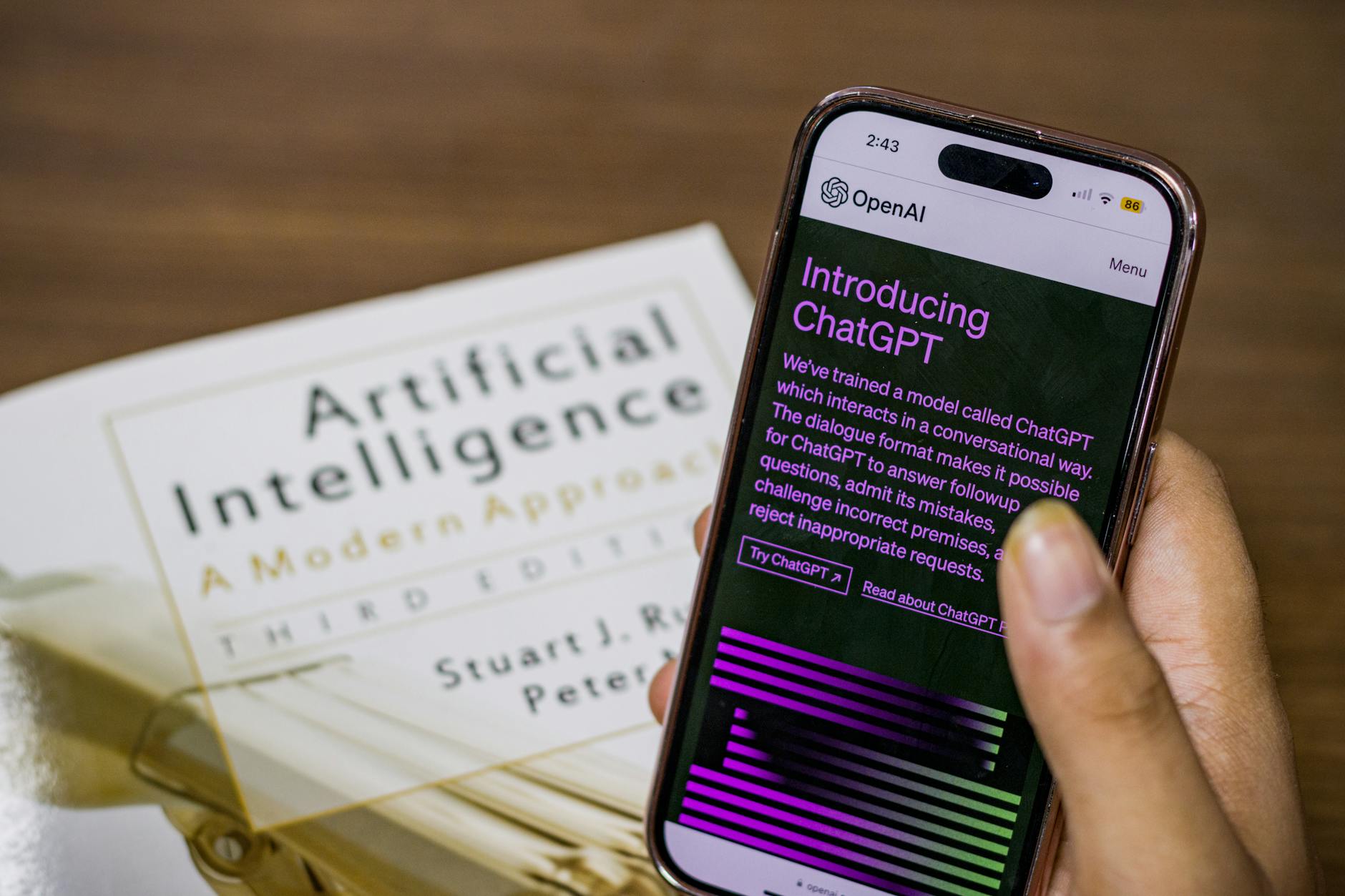
Timothy Gowers, a Fields medalist and renowned mathematician, decided to stress-test ChatGPT 5.5 Pro on some math problems. Spoiler: the AI tried hard, but at times it felt like explaining integrals to someone who just learned the word "integral" and now uses it everywhere.
Gowers asked questions from combinatorics and number theory — and got answers that look convincing until you actually read them. The errors weren't crude; they were "plausibly wrong": like an assistant who mixed up formulas but kept a confident tone. Sound familiar? It's exactly like code generated for an unfamiliar API — seems to work but is pure technical debt upon closer inspection.
Interestingly, the model sometimes corrected itself when prompted with a follow-up question. But without that, it confidently spewed nonsense. Gowers compared this to more sophisticated hallucinations: earlier ChatGPT made up facts, now it makes up logical chains. Progress, eh?
What This Means for Developers
If you're using ChatGPT 5.5 Pro for code or documentation — remember: it got better at lying. The "plausibility" level has increased, so trust it only with verification. Especially for security or critical logic. And yes, we know you'll still copy-paste from chat — just don't forget to run tests.
METABYTE studio comment: We love AI assistants too, but we prefer humans write the code and AI handle the grunt work. Though we admit, sometimes we want ChatGPT to comment our legacy code — even with mathematical hallucinations, it's still more fun than reality.
NEXT STEP
Liked the approach?
We apply the same principles to client projects: AI, automation, products that don't die after launch.