ERP on Steroids: Marrying Gemma 26B, .NET, and React Without Losing Your Mind
How to build an AI-powered ERP with Gemma 26B, .NET 8, Python, and React — and why it's not just another hype train.
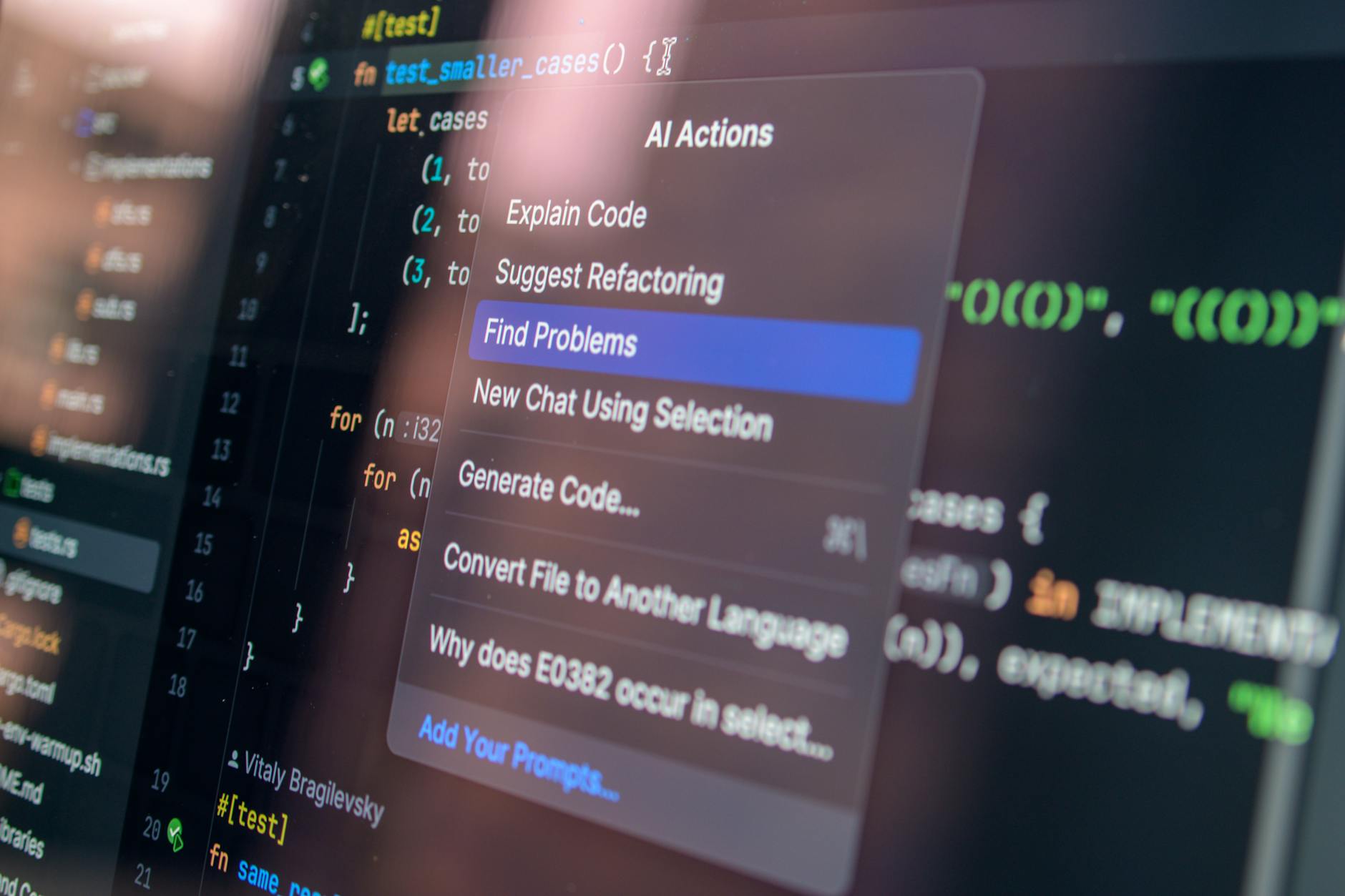
Who would've thought that ERP systems, those corporate accounting behemoths, would one day get their own AI engine? The author decided to cross-breed Gemma 26B MoE, .NET 8, Python, and React — and you know what? They might be onto something.
Under the Hood
The architecture feels like assembling IKEA furniture without instructions: Gemma 26B handles NLP (e.g., generating reports in plain English), .NET 8 carries the heavy backend, Python acts as glue for ML models, and React makes the UI somewhat bearable. It's a party where everyone speaks a different language but somehow dances together.
The author doesn't shy away from developer pain: API integration, error handling, and performance degradation under load. Without that, JIRA with 47 columns would look like child's play.
Why Bother?
If your ERP budget is leaking like a sieve and reports are still done in Excel, this hybrid could be a lifesaver. Gemma 26B MoE can analyze data and provide insights without requiring a full analytics team. Sure, you'll sacrifice some sleep for debugging, but who's counting?
METABYTE studio comment: We love architectural experiments too, but we usually prefer our microservices not to bicker. If you want to tame Gemma without the headache — we know how to cushion the fall.
NEXT STEP
Liked the approach?
We apply the same principles to client projects: AI, automation, products that don't die after launch.