Bit-Banging, SPI, and CPLD: When Hardware Slaps Software in the Face
Why sometimes you just need to manually wiggle GPIO pins like it's 1980.
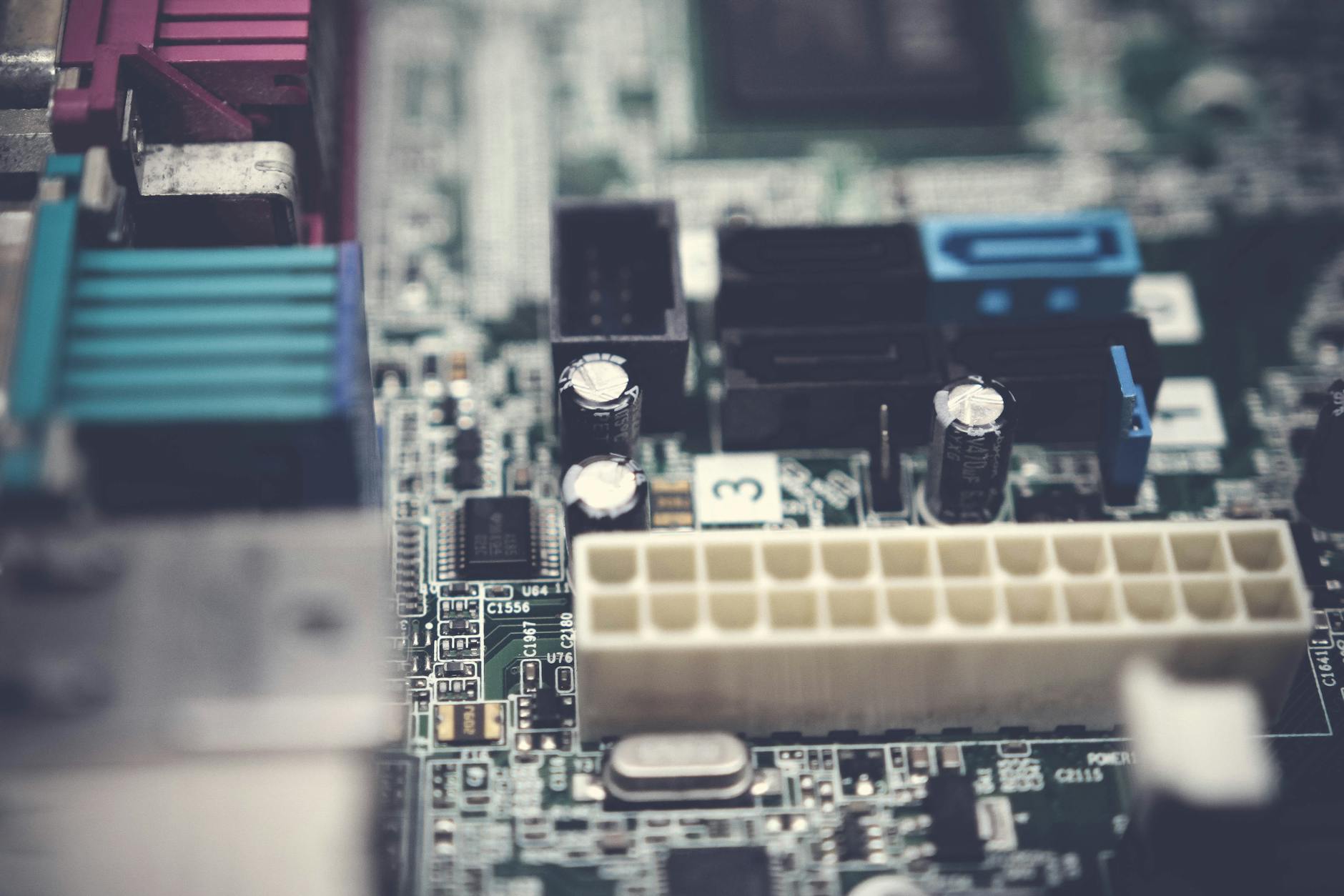
The author takes a nostalgic trip back to the days of bit-banging, SPI, and CPLDs. If you thought microcontroller programming was all about high-level libraries and ready-made drivers, think again: here you'll be manually toggling GPIO pins like a telegraph operator from the last century.
What's the Deal with Bit-Banging?
Bit-banging is when you emulate a communication protocol in software instead of using a hardware peripheral. Imagine trying to play a symphony on a typewriter: technically possible, but your fingers will give up before you finish the first movement. The author shows how to use this technique to talk to SPI devices when your ESP32 runs out of hardware SPI ports (which always happens at the worst possible moment).
CPLD: Savior or Overkill?
Then comes the CPLD — a programmable logic chip that takes over some of the low-level work. It's like hiring an assistant to wiggle those pins while you sip coffee and write business logic. A CPLD can implement an SPI master in hardware, offloading the CPU. Sure, you'll need to brush up on VHDL or Verilog, but the payoff is worth it: your device stops stuttering on every interrupt.
When Hardware Beats Software?
This article is a great reminder that not every problem needs another layer of abstraction. Sometimes spending an evening soldering and programming a CPLD beats a month of debugging software timings. And if you love nightly deploys and broken CI, bit-banging will take you back to the roots — when one wrong bit crashed the whole system, and that was just fine.
METABYTE studio comment: We like to tinker with hardware too, but we usually prefer software to do its job instead of pretending to be a telegraph. However, if your project demands maximum performance, we know how to strike the right balance between programmable logic and code.
NEXT STEP
Liked the approach?
We apply the same principles to client projects: AI, automation, products that don't die after launch.