Retatrutide: The Biochemical Beauty of GLP-1 Agonists — How They Actually Work
A deep dive into why retatrutide isn't just another weight-loss drug but a molecular engineering marvel.
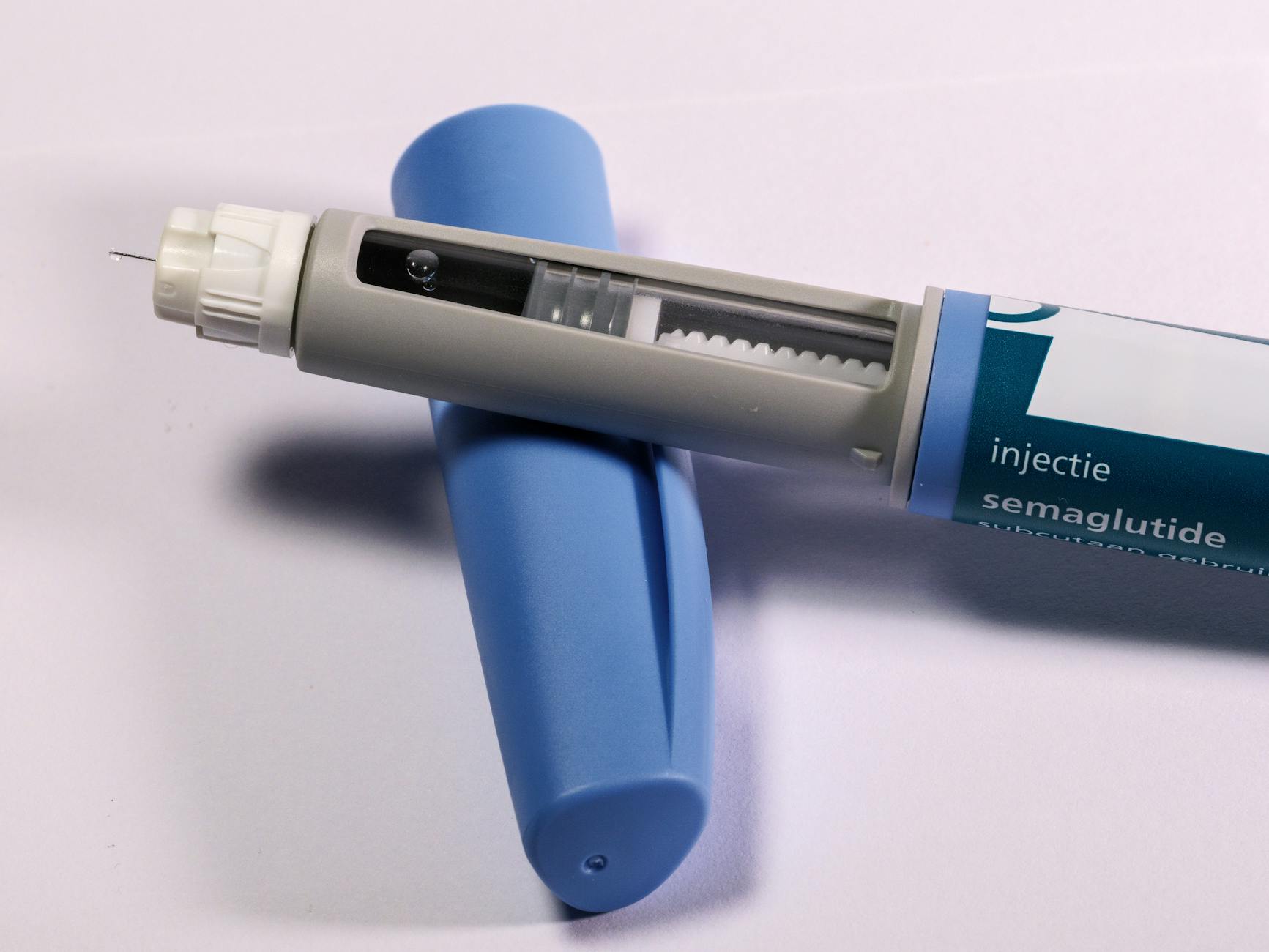
You've probably heard about the "miracle" weight-loss injections — semaglutide, tirzepatide, and their newest cousin retatrutide. But ever wondered how they actually work? If your answer is "some hormone suppresses appetite," this one's for you. We'll pop the hood on GLP-1 and see why retatrutide is like a Swiss Army knife among peptides.
How GLP-1 Tricks Your Brain
GLP-1 is a hormone naturally released by your gut after eating. It tells your pancreas, "Hey, release some insulin!" and your brain, "Stop, you're full." The catch? Natural GLP-1 lasts only a few minutes in your blood — enzyme DPP-4 chops it up fast. Pharma folks thought, "What if we make a version that doesn't break down so quickly?" Enter GLP-1 analogs that stick around for hours or even days.
Retatrutide is a triple agonist: it hits three receptors at once (GLP-1, GIP, and glucagon). Think of semaglutide as a key to one door, while retatrutide is a master key that opens three doors simultaneously. Result? Stronger appetite suppression and better metabolic effects.
Why This Isn't Just "Chemistry"
Many assume these drugs are just synthetic molecules that "force" weight loss. Actually, retatrutide is an elegant mimic of natural processes. It binds to receptors and triggers a cascade that makes your body think you just ate a triple-decker burger — without the calories. Handy, right?
Developing such molecules is like assembling IKEA furniture blindfolded without instructions. You need the right amino acid sequence so the molecule doesn't degrade in the stomach, avoids immune response, and still works.
METABYTE Studio's Take
Retatrutide's development reminds us that in IT and pharma, the principle is the same: the more complex the system, the more bugs. But while a code bug can be patched overnight, a molecular bug takes years of clinical trials. So let's give a round of applause to scientists — not just devs deploying on Friday evenings.
NEXT STEP
Liked the approach?
We apply the same principles to client projects: AI, automation, products that don't die after launch.