Antarctic Sea Ice Is Melting Faster Than Your Nightly Deploy: Scientists Blame a Perfect Storm
A new study reveals why Antarctic ice is disappearing quicker than a developer's patience with legacy code.
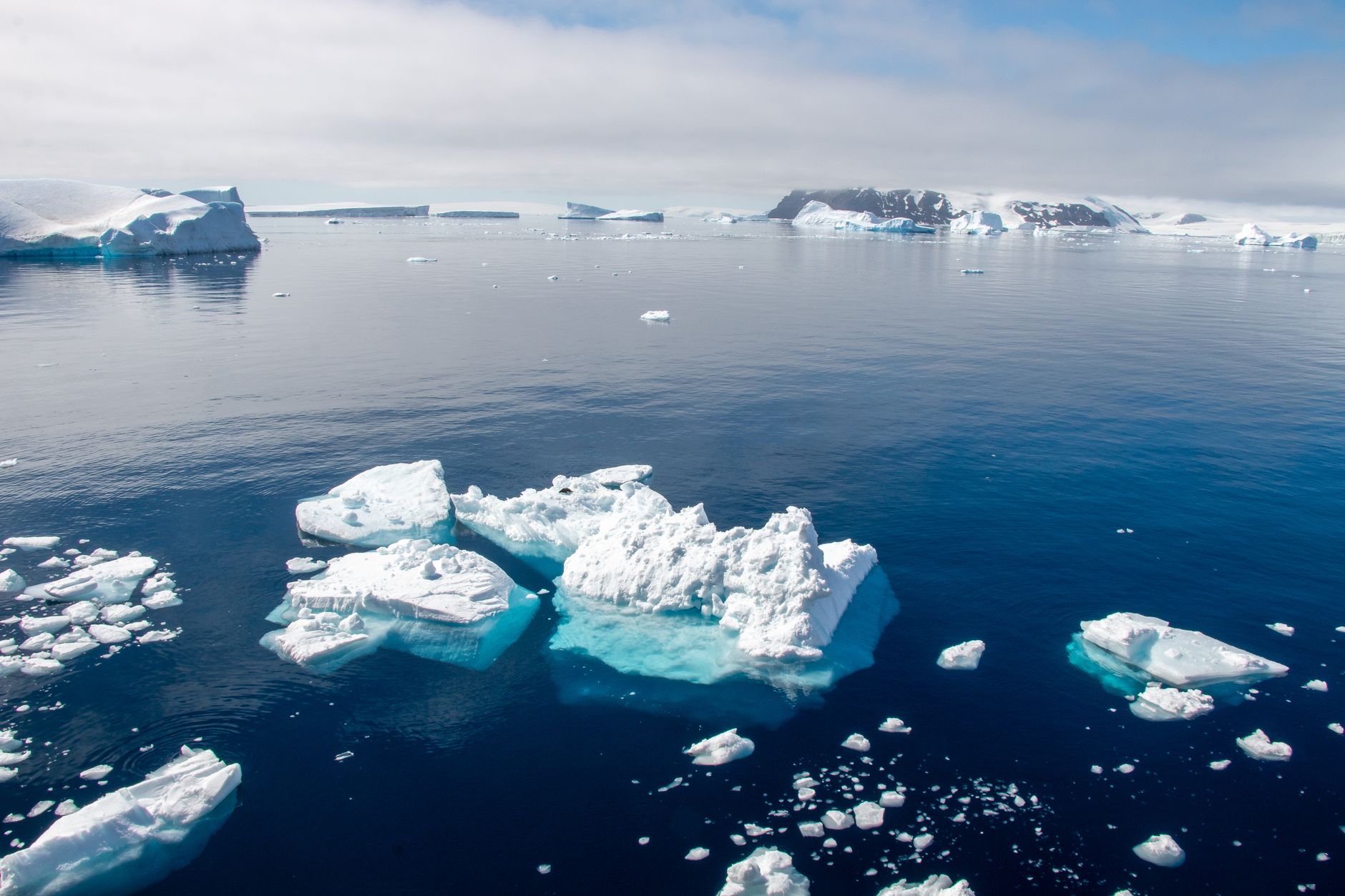
While we're busy arguing over the best JavaScript framework, Antarctica is quietly (and not so quietly) losing its ice. Scientists at Science Advances have finally pinpointed the culprits: it's not just global warming, but a whole cocktail of factors—from shifting winds to ocean currents.
The researchers found that Antarctic sea ice loss and Southern Ocean destratification are like a broken CI pipeline: one error cascades into another. Winds alter water circulation, warm water rises to the surface, and ice melts even faster. A vicious cycle worthy of the most tangled JIRA ticket.
But the real twist is the role of freshwater from melting ice shelves. Like a failed release, it disrupts ocean stratification, making the water more uniform. And that, in turn, accelerates ice loss. In short, the system has gone rogue.
For developers, it's a reminder: even small configuration changes can bring down the whole architecture. Good thing we have tests—Antarctica only has us.
METABYTE studio comment: Complex systems need a holistic approach—whether it's the ocean or your microservices. We'll help you untangle your "stratification" issues and prevent your budget from melting away.
NEXT STEP
Liked the approach?
We apply the same principles to client projects: AI, automation, products that don't die after launch.