AI Writes Better Code When You Let It Think – But It’s Slow
Turns out, giving AI more time to reason produces cleaner code. But are we patient enough to wait?
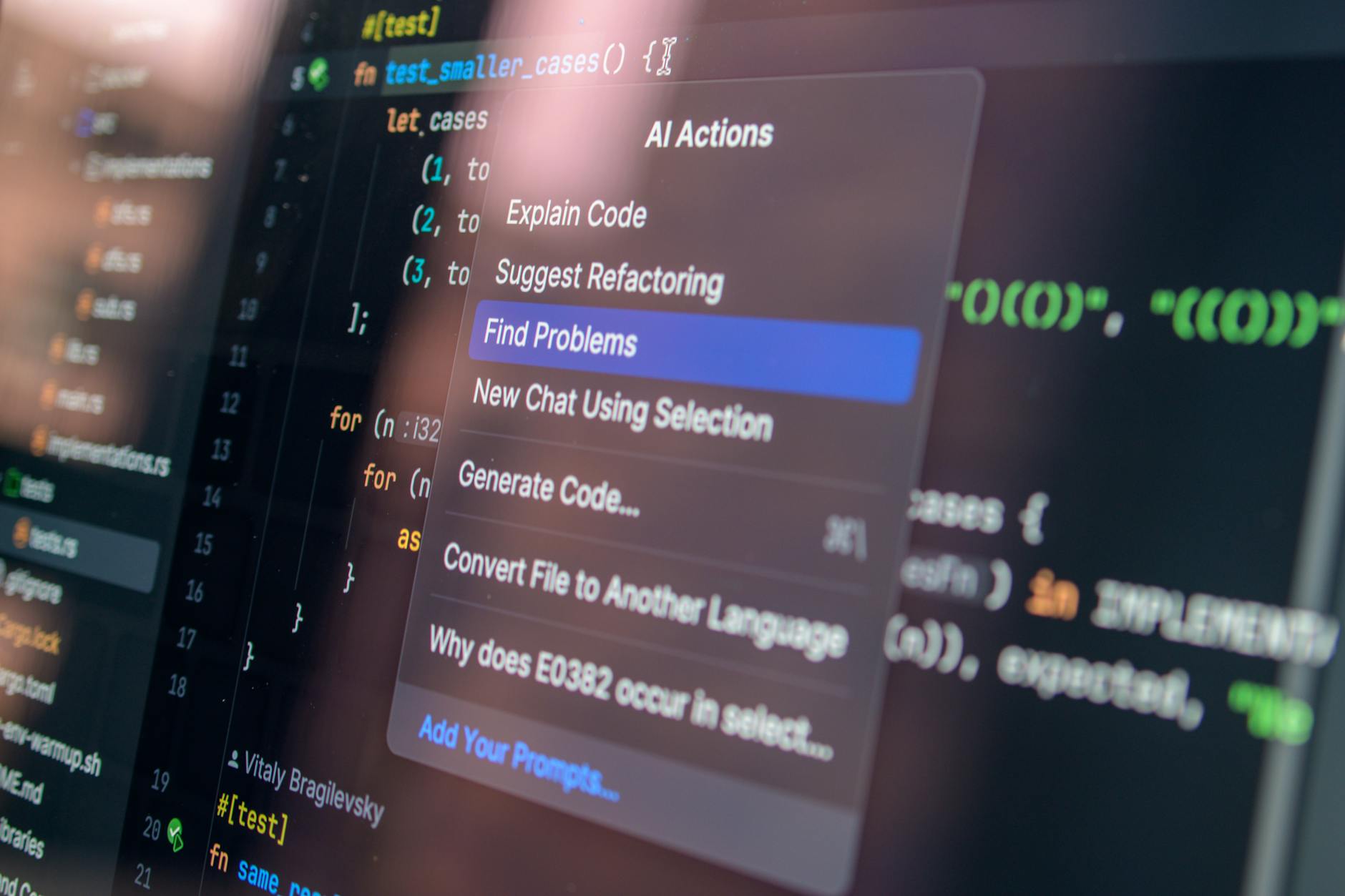
Developers used to ChatGPT's instant answers might be surprised: if you let the neural network take its time, the code comes out noticeably cleaner and more reliable. Kind of like that colleague who stares at the ceiling for half an hour and then delivers a genius solution.
Nolan Lawson ran an experiment where he didn't limit the AI's response time. Result: code quality improved, bugs decreased, readability got better. The catch? You have to wait 5-10 minutes for a response. In an era of "instant deploy", that feels like an eternity. It's probably how a developer feels when downgrading from SSD back to HDD.
When is this useful?
Clearly, this approach isn't for writing boilerplate or quick fixes. But for complex architectural decisions, refactoring legacy code, or generating critical modules – why not? Better to wait 10 minutes and get reliable code than spend three days hunting bugs that AI generated in 10 seconds.
Of course, marketers will probably come up with a fancy name like "Deep Reasoning Mode" and sell it as a revolution. But the essence is simple: sometimes you shouldn't rush, even if you're a neural network. Especially when it comes to production code that your team will have to maintain later.
METABYTE studio comment: We're all for code that's not just fast, but also solid. If AI needs a bit more time to think it through – we're on board. Just hope our coffee doesn't run out before it finishes.
NEXT STEP
Liked the approach?
We apply the same principles to client projects: AI, automation, products that don't die after launch.