Agentic Engineering: When LLMs Become Your Coworkers, Not Just a 'Generate' Button
Turning a large language model from a glorified autocomplete into an autonomous engineering intern who (mostly) doesn't break production.
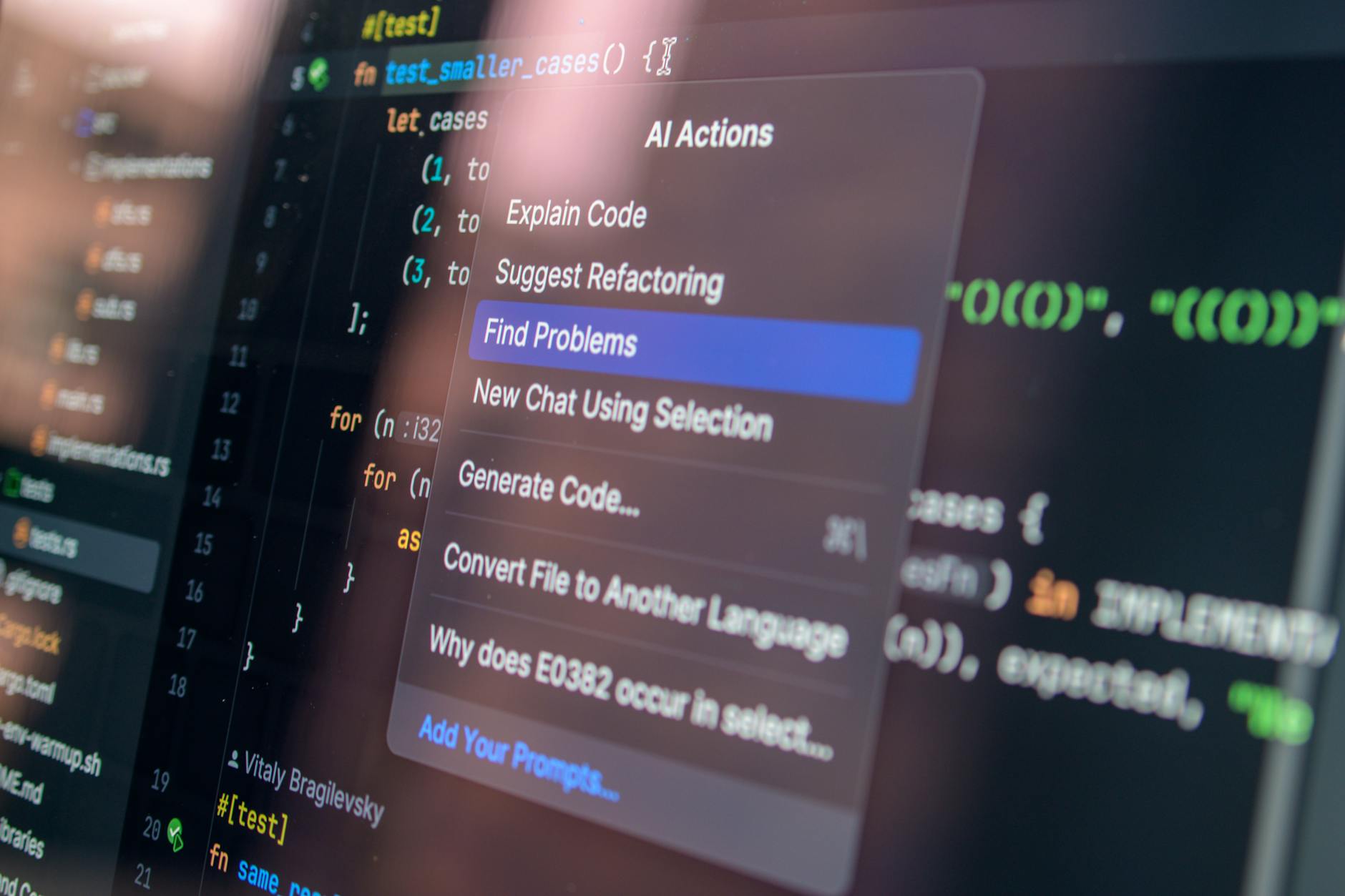
Heard the news? Neural networks aren't just writing code anymore—they're trying to act like actual engineers. Addy Osmani, Google's performance guru, dropped a guide on 'Agentic Engineering': an approach where LLMs evolve from simple text generators into autonomous agents that can plan, debug, and even argue with your CI/CD pipeline.
The gist is to give the model not a single prompt, but a whole system: tools, memory, the ability to ask clarifying questions and fix its own mistakes. Imagine your junior dev suddenly stops writing spaghetti code and starts asking for requirements before diving in. That's Agentic Engineering in a nutshell: the agent breaks down the task, hunts for bugs, and rewrites code until tests go green.
Of course, it's not all rainbows. Agents can get stuck in loops, burn through tokens on pointless iterations, or decide that deleting the entire node_modules folder is a brilliant idea. But with proper guardrails (clear boundaries, validation, rollback capability), this approach can seriously speed up development—especially for grunt work like writing tests, refactoring, or generating documentation.
METABYTE studio comment: We love the idea of code writing itself, but we prefer to keep a human in the loop for now—preferably one who doesn't work for free. Want to automate the boring stuff without risking a Friday night outage? We know how to tame these agents so they don't wreck your production.
NEXT STEP
Liked the approach?
We apply the same principles to client projects: AI, automation, products that don't die after launch.