The Age of the Amplifier: How Tubes and Transistors Changed Sound
From glowing glass giants to silicon specks — the story of amplifiers that made rock 'n' roll and radio possible.
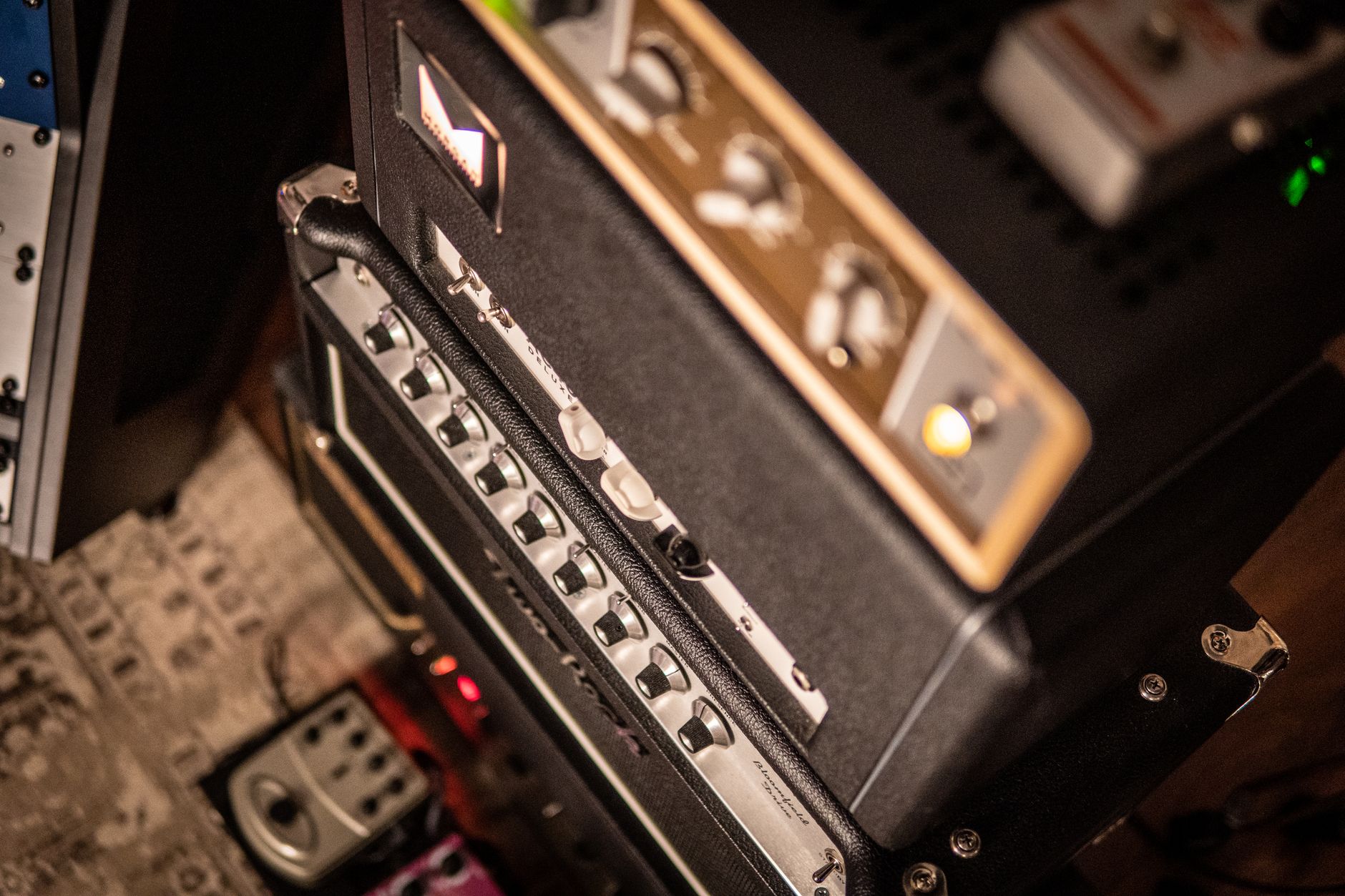
Remember when music sounded "warm" and "tubey"? That's not just audiophile nostalgia — it's the real story of how amplifiers turned electrical signals into cultural icons. The article on Construction Physics digs into why without these "metal boxes" we'd have no Led Zeppelin, no computers, and probably no TikTok dances.
Amplifiers are like grandma's Wi-Fi: everyone knows it exists, but few understand how it works. Tube amplifiers delivered that "live" sound that audiophiles still pay a fortune for. Then transistors came — small, cheap, and reliable as a Swiss watch. The world switched to silicon, and boom: radios in every home, guitar pedals for every riff, and sound systems that could wake the neighbors three blocks away.
Of course, there was hype. In the '60s, transistors were supposed to solve everything — from sound quality to world hunger. Reality check: tubes still rule in high-end audio, while transistors conquered the mass market. The irony? Today we listen through tiny amplifiers in our smartphones, but we crave that warm tube distortion. As they say, new iPhone is cool, but an old tube amp has soul.
METABYTE studio comment: Amplifiers are like code: you can hack together a prototype in an evening, or polish it for years until it sounds divine. We prefer the latter, even when the client says "just make it work."
NEXT STEP
Liked the approach?
We apply the same principles to client projects: AI, automation, products that don't die after launch.